An automated system uses predefined rules or algorithms, including machine learning models, to perform tasks or make decisions that would otherwise require human execution. It can reduce repetitive work and improve efficiency, but automation does not guarantee fair or accurate outcomes. section 8.2.2 section 8.2.2
Assess an automated system by considering both its mechanism and its effects:
- Rules-based systems apply explicit instructions, while machine learning systems identify patterns in data and use them to guide decisions. section 8.2.2
- Biased rules or biased training data can produce unintended disadvantages for particular groups, even when the system appears objective. section 8.2.2
Support-ticket categorization
A customer-support team can automate the assignment of ticket priority—Low, Medium, or High—and type, such as Product Problems, Delivery, Billing, Inquiries, or Suggestions. The workflow may streamline triage while creating unanticipated negative effects for certain customer groups. section 8.2.2
Figure 8.4 An automated system for categorizing data can employ anything from simple rules to sophisticated machine learning algorithms.
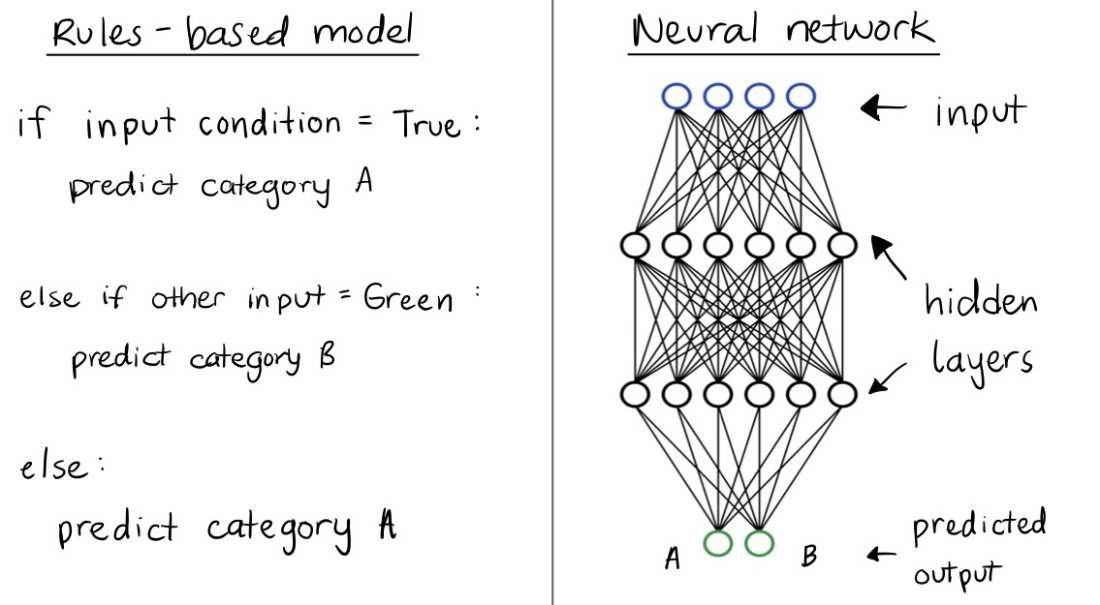
Compare automated categorization built from simple rules with systems using sophisticated machine learning algorithms. section 8.2.2
Figure 8.5 The categorization system developed by the data science and analytics team can streamline the work of the customer support team. Still, it may have an unanticipated negative effect on certain groups of customers.
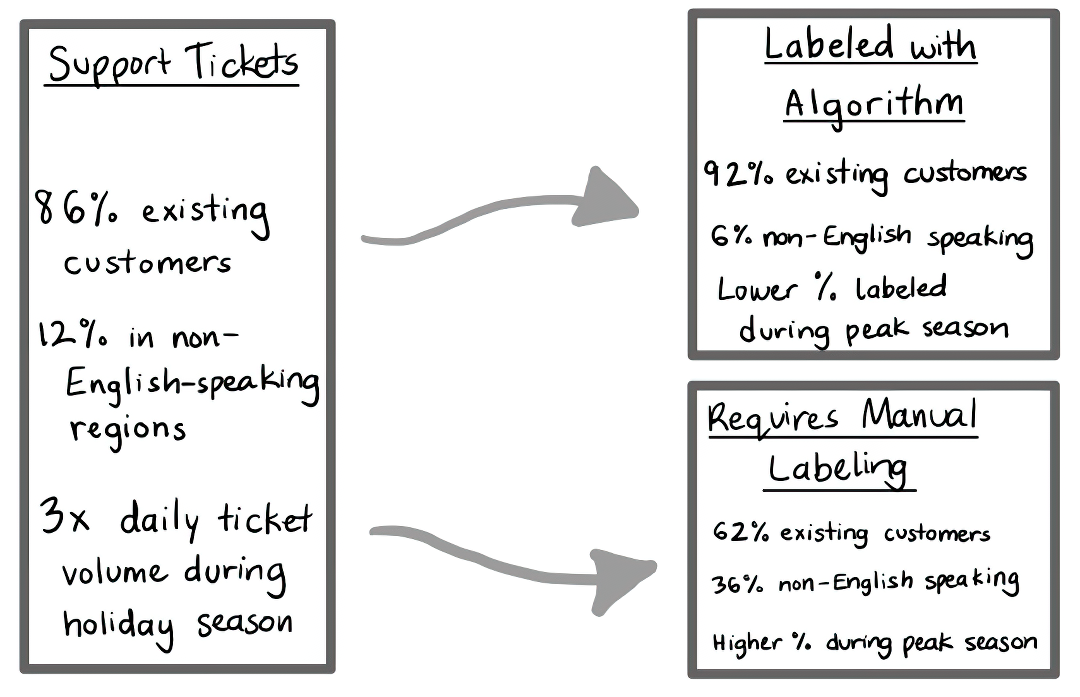
Trace how automated categorization can streamline support work while producing unintended effects for particular customer groups. section 8.2.2
