liveBook · Manning

Autonomous bubble pattern

As explained in Architecture Modernization: Socio-technical alignment of software, strategy, and structure

The autonomous bubble pattern is a bubble migration pattern in which the replacement subsystem owns its data store and synchronizes with legacy subsystems asynchronously.

Use an autonomous bubble to migrate toward a fresh domain model while the replacement subsystem owns its data store. It can handle logic independently and integrate with legacy subsystems through asynchronous data synchronization and, where needed, an anticorruption layer. section 12.4.2

Weigh the pattern against its main trade-offs:

  • Add new fields inside the bubble without changing legacy systems. section 12.4.2
  • Accept synchronization complexity and possible staleness between the bubble and legacy subsystems. section 12.4.2
  • Question the pattern when users require real-time updates but synchronization occurs only periodically. section 12.4.2
  • Reconsider the approach when the anticorruption layer becomes more complex than the domain model. section 12.4.2

Periodic synchronization versus live information

A bubble can store new fields without modifying legacy systems, but a once-daily synchronization schedule makes it unsuitable when users need real-time updates. section 12.4.2
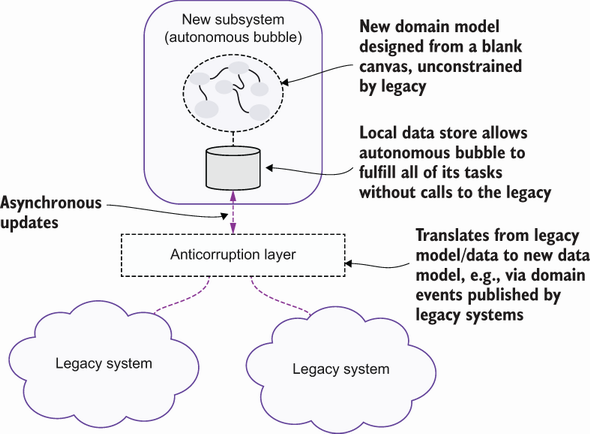
Figure 12.22 The autonomous bubble migration pattern

Visualizes the autonomous bubble migration pattern, including its independent data store and asynchronous integration with legacy subsystems. section 12.4.2

How Architecture Modernization: Socio-technical alignment of software, strategy, and structure covers it

How deep it goes
Explains data ownership, asynchronous synchronization, anticorruption layers, and trade-offs without prescribing implementation details.
Examples
Contrasts adding new fields locally with once-daily synchronization when users expect real-time updates.
What it assumes
Assumes familiarity with legacy subsystems and domain models while defining the autonomous variant from its data boundary.
What you can do after
Evaluate fit by comparing independent data ownership against synchronization risk, staleness, and anticorruption-layer complexity.
How it connects
Connects bubble migration patterns, domain models, legacy systems, anticorruption layers, and asynchronous data synchronization.

Related concepts

This explainer was generated by Manning's knowledge graph from the text of Architecture Modernization: Socio-technical alignment of software, strategy, and structure. The section links point to the parts of the book it draws on.