liveBook · Manning

Bubble pattern

As explained in Architecture Modernization: Socio-technical alignment of software, strategy, and structure

The bubble pattern is a migration pattern in which a new subsystem with a fresh domain model is placed in front of an existing subsystem and gradually takes over its logic.

Places a new subsystem in front of an existing subsystem, allowing a fresh domain model to take over legacy logic gradually. section 12.4.2

The migration proceeds through incremental delegation and replacement:

  • The bubble handles selected logic and delegates remaining behavior through an anticorruption layer. section 12.4.2
  • More logic moves into the bubble until the legacy subsystem is replaced. section 12.4.2
  • The anticorruption layer can become more complex than the domain model, making another migration approach preferable. section 12.4.2
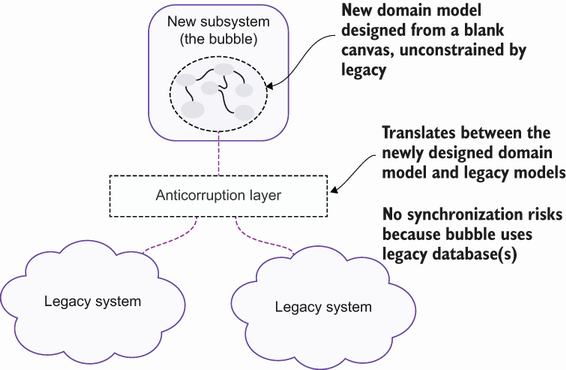
Figure 12.21 The bubble migration pattern

Use the migration diagram to visualize the bubble’s position between new logic and legacy subsystems. section 12.4.2

How Architecture Modernization: Socio-technical alignment of software, strategy, and structure covers it

How deep it goes
Explains placement, delegation, gradual replacement, and anticorruption-layer complexity.
Examples
Uses a diagram showing a bubble placed in front of legacy subsystems.
What it assumes
Assumes legacy subsystems and highlights decoupling as a prerequisite for migration.
What you can do after
Evaluate whether a subsystem migration justifies a fresh model and its anticorruption-layer complexity.
How it connects
Connects migration with the strangler fig pattern, domain models, anticorruption layers, and asynchronous data synchronization.

Related concepts

This explainer was generated by Manning's knowledge graph from the text of Architecture Modernization: Socio-technical alignment of software, strategy, and structure. The section links point to the parts of the book it draws on.