liveBook · Manning

B element

As explained in Design for Developers

The HTML b element draws attention to text without conveying that the text has greater importance.

Use the HTML <b> element to draw attention to a word or phrase without saying that it has greater importance. section 8.1.3

Choose the treatment that matches the intended meaning:

  • Use <b> when bold styling draws attention but does not add importance. section 8.1.3
  • Use <strong> when the words are more important than surrounding text. section 8.1.3
  • Use CSS font-weight with a generic element when boldness is purely aesthetic. section 8.1.3
Figure 8.12 The contents of the bolded text are extremely important, and the emphasis here is necessary to convey importance.
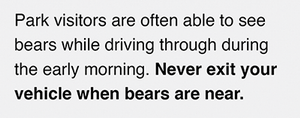
Compare visual bolding that conveys importance with attention-drawing bolding that does not. section 8.1.3


How Design for Developers covers it

How deep it goes
Distinguishes <b> from <strong> and CSS font-weight, but does not detail implementation beyond basic markup and styling.
Examples
Uses highlighted words, semantically important text, and Figure 8.12 to contrast attention with importance.
What you can do after
Apply it to draw attention, choosing <strong> when importance is intended and CSS when emphasis is purely visual.
How it connects
Connects bold typography with semantic HTML, <strong>, CSS font-weight, and visual contrast.

Also explained in

Compare how 2 books explain b element →

Related concepts

This explainer was generated by Manning's knowledge graph from the text of Design for Developers. The section links point to the parts of the book it draws on.