A between-subjects design compares a dependent variable across separate, mutually exclusive groups defined by an independent variable. Participants may enter groups through an inherent characteristic, such as age or geographic location, or through random assignment, such as treatment versus control. section 3.2.4
Use this design when the question asks whether outcomes differ between groups. Independent-samples statistical tests compare the dependent-variable values across those groups; the selected method should follow the question rather than drive it. section 2.1.3 section 3.2.4
A practical analysis plan can include:
- Define the independent variable that separates participants and the dependent variable used for comparison. section 3.2.4
- Specify the groups, comparison measures, charts, and stakeholder expectations before analysis begins. section 2.1.3
- Apply an independent-samples test to assess whether observed group differences are statistically meaningful, adding a non-parametric test when supported by the plan. section 2.1.3 section 3.2.4
- Distinguish the design from a within-subjects design, which measures every participant across conditions or time points. section 3.2.4
Support activity before and after a search change
An analysis can compare daily Help Center visits and chat-support requests during the 90 days before a search-functionality change with the corresponding 90 days afterward, then repeat the comparison after another 90 days. Descriptive statistics and an independent-samples t-test support the reporting plan. section 2.1.3
Figure 3.10 Between-subjects comparisons evaluate differences between mutually exclusive characteristics or assignments.
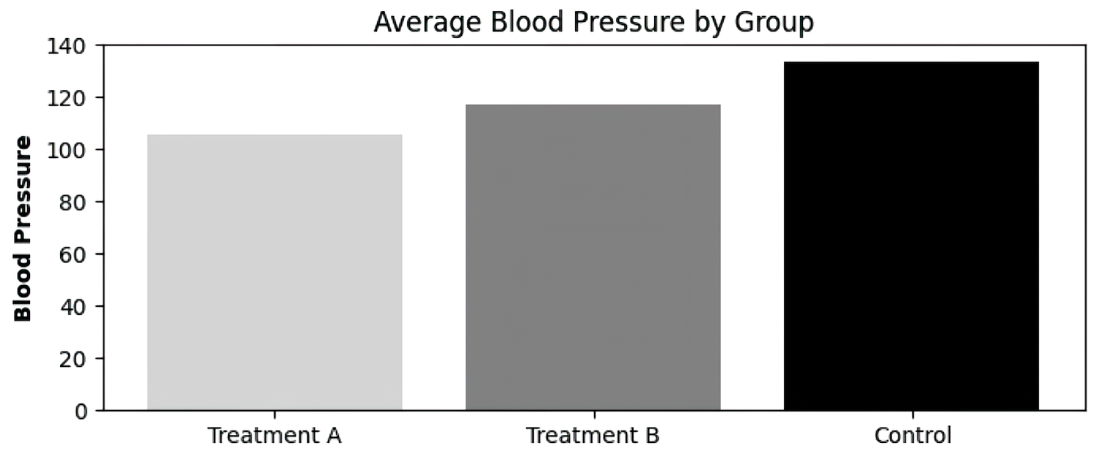
Use the figure to see how comparisons operate across mutually exclusive characteristics or assignments, including treatment and control groups. section 3.2.4
