liveBook · Manning

Discovery

As explained in Architecture Modernization: Socio-technical alignment of software, strategy, and structure

Discovery is work that investigates a problem, opportunity, or domain to establish sufficient understanding for subsequent design and delivery.

Discovery investigates modernization opportunities before or alongside design and delivery. It connects stakeholder concerns and business outcomes to architectural possibilities through activities such as interviews, Wardley Mapping, and EventStorming. section 16.3.4

Use discovery as a balancing and learning activity:

  • Balance discovery, design, and delivery: too much discovery can delay value, while too little can produce the wrong outcome or create avoidable blockers. section 16.3.4
  • Feed delivery roadblocks and changing priorities back into discovery and design, then adapt the approach rather than treating it as a fixed phase. section 16.3.4
  • Keep discovery visible at the appropriate roadmap level; a high-level initiative can be in delivery while detailed EventStorming work remains underway. section 16.3.4

CloudSuite’s bottom-up domain discovery

CloudSuite began with tactical software design and modeling. This work encouraged a ubiquitous language and collaborative modeling, which supported identifying two loosely coupled domains: discovery, covering the user journey from arrival to purchase intention, and ordering, covering purchase intention through order creation. The boundaries were tested by examining how little knowledge ordering required about the earlier journey. section 17.4 section 17.4
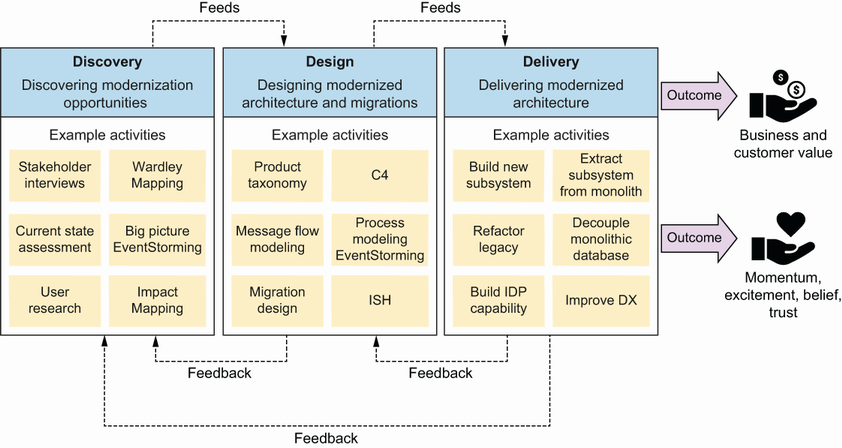
Figure 16.12 A basic model for categorizing modernization work

Use the work-categorization model to compare discovery with design and delivery and assess where effort is currently concentrated. section 16.3.4


How Architecture Modernization: Socio-technical alignment of software, strategy, and structure covers it

How deep it goes
Defines activities, trade-offs, feedback loops, and roadmap visibility, but stops short of prescribing a rigid discovery process.
Examples
Uses stakeholder interviews, Wardley Mapping, EventStorming, roadmaps, and CloudSuite’s discovery and ordering domain boundaries.
What it assumes
Assumes a modernization context and distinguishes discovery from design and delivery while introducing its purpose through concrete activities.
What you can do after
Apply it via stakeholder interviews, Wardley Mapping, EventStorming, and feedback loops to refine modernization priorities and boundaries.
How it connects
Connects stakeholder interviews, Wardley Mapping, EventStorming, domain-driven design, ubiquitous language, collaborative modeling, and delivery.

Also explained in

Compare how 4 books explain discovery →

Related concepts

This explainer was generated by Manning's knowledge graph from the text of Architecture Modernization: Socio-technical alignment of software, strategy, and structure. The section links point to the parts of the book it draws on.

