liveBook · Manning

Distributed caching

As explained in Building Distributed Applications that Work

Distributed caching stores frequently accessed data in a shared cache accessible across multiple servers or nodes.

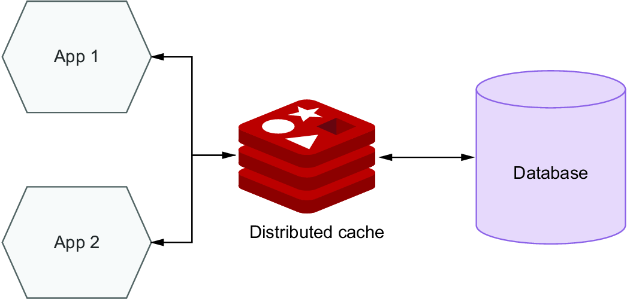
Distributed caching stores frequently accessed data in a shared, high-performance data store available to multiple servers or applications. Keeping data in RAM can make reads faster than accessing disk; sharing the cache lets one application use data another has already populated. section 7.3

Figure 7.3 Multiple applications accessing the same distributed cache
figure

Shows multiple applications accessing the same distributed cache, including data they did not populate themselves. section 7.3


How Building Distributed Applications that Work covers it

How deep it goes
Defines the shared-cache mechanism and explains RAM-based speed and cross-application access, without implementation steps.
Examples
Uses Redis and illustrates applications sharing data populated by another application.
What you can do after
Understand how applications can reuse data from a shared cache to improve performance.
How it connects
Connects distributed caching with Redis and distributed locking.

Also explained in

Compare how 4 books explain distributed caching →

Related concepts

This explainer was generated by Manning's knowledge graph from the text of Building Distributed Applications that Work. The section links point to the parts of the book it draws on.

