An entropy source is a physical or computational process that supplies unpredictable, or partly unpredictable, input for random-data generation. Operating systems gather such input from events including hardware interrupts, mouse movements, software interrupts, and disk-seek timing. section 8.1
Entropy describes how unpredictable a string is: predictable strings have low entropy, while less predictable strings have high entropy. Raw noise may be biased, insufficient, or predictable during events such as device startup, so relying on a single source can be dangerous. section 8.1
Common approaches include:
- Capture physical unpredictability, such as thermal noise or changing wax shapes in Cloudflare’s LavaRand wall, and convert it into random bytes. section 8.1
- Mix multiple entropy sources to obtain a seed for a pseudorandom number generator, which can produce many random values quickly. section 8.2
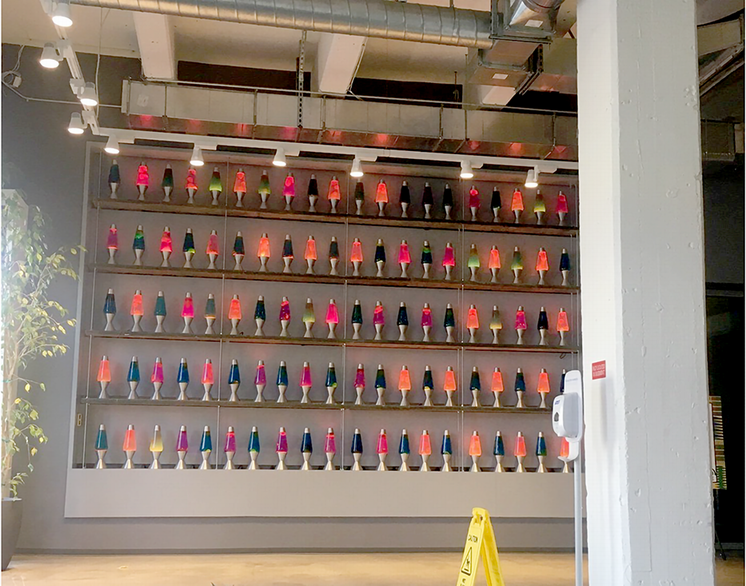
Inspect the LavaRand wall as a concrete illustration of extracting random bytes from unpredictable physical patterns. section 8.1

