liveBook · Manning

Escalation path

As explained in Lead Developer Career Guide

A defined process for transferring an issue or decision to people with greater authority, expertise, or responsibility.

An escalation path defines how an issue moves from initial reporting to people with the authority, expertise, or responsibility to decide and act. During emergencies, it clarifies who communicates, who decides, and when a problem must move onward. section 10.3.3 section 10.3

A practical escalation path should:

  • Assign roles to developers, system administrators, project managers, stakeholders, and backup contacts. section 10.3.3
  • Specify communication channels, reporting steps, update intervals, and current contact information. section 10.3.3
  • Define a backup route and escalate critical errors to a team rather than relying on one unavailable person. section 10.3.3
  • Begin with an assessment of severity and scope, then keep the team informed as the response develops. section 10.3

A production emergency

A system failure affects users and stakeholders. The responsible person assesses its scope, reports it through the defined channel, provides scheduled updates, and brings in the designated response team when the impact exceeds the initial team’s authority or capacity. section 10.3.3 section 10.3
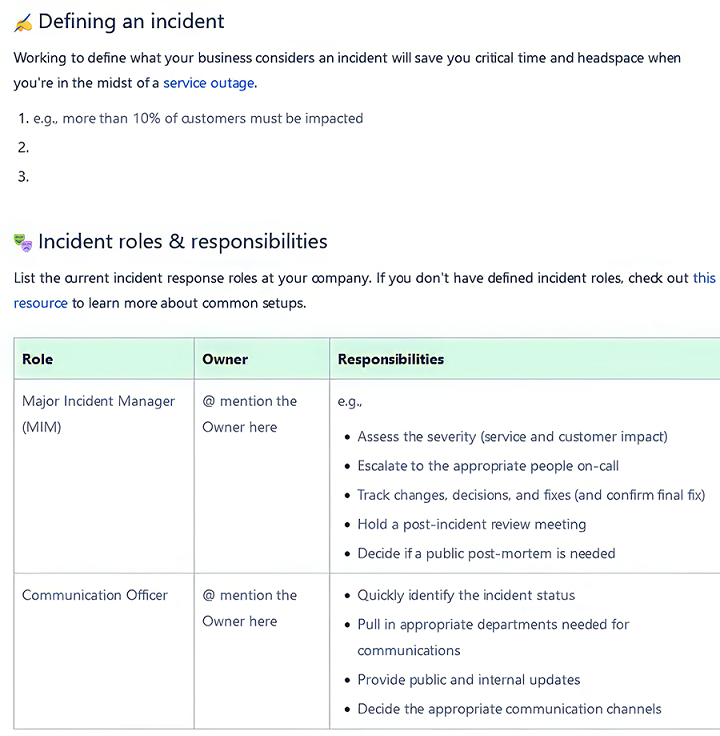
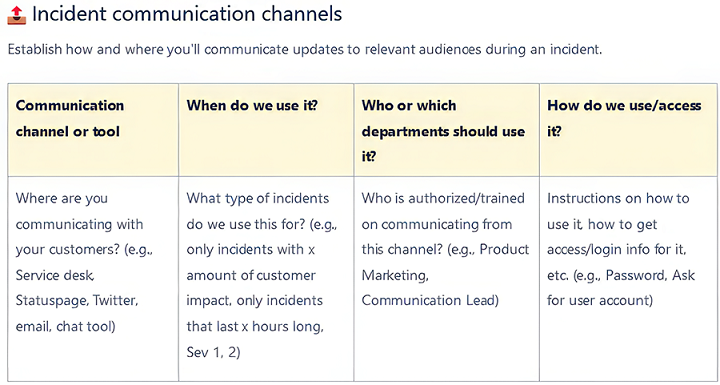
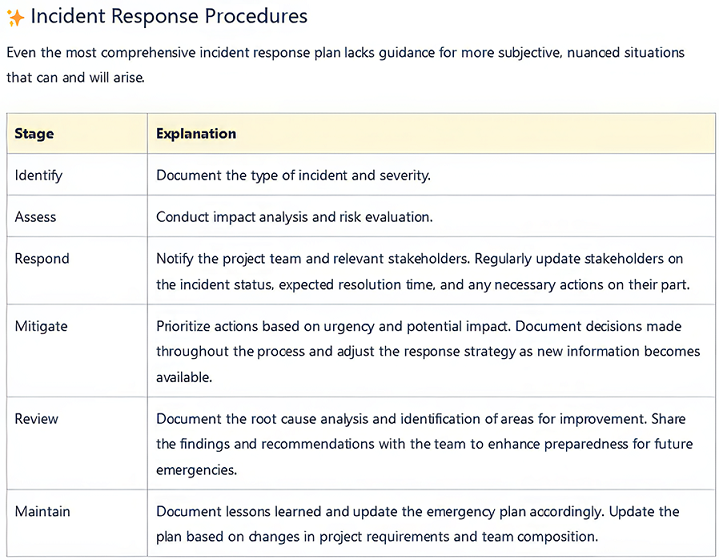
Figure 10.8 Example emergency plan in Confluence

Use the emergency-plan example to inspect how escalation routes, communication details, responsibilities, and contingencies can be documented in one place. section 10.3.3


How Lead Developer Career Guide covers it

How deep it goes
Explains procedures through roles, channels, update intervals, backup routes, and team-based handling of critical errors.
Examples
Uses system failures, security breaches, data loss, natural disasters, and a documented Confluence emergency plan as examples.
What it assumes
Assumes awareness of project roles and potential system risks while establishing communication and responsibility from the ground up.
What you can do after
Operate/configure escalation procedures with assigned roles, communication channels, update intervals, backups, and team-based handling.
How it connects
Connects emergency response plans with communication protocols, incident assessment, decision-making hierarchies, and stakeholder updates.

Also explained in

Compare how 2 books explain escalation path →

Related concepts

This explainer was generated by Manning's knowledge graph from the text of Lead Developer Career Guide. The section links point to the parts of the book it draws on.