Example Mapping is a collaborative, visual technique for turning a User Story into shared understanding of its business rules, examples, counterexamples, and unresolved questions. It keeps requirements conversations focused when assumptions, missing details, or competing interpretations threaten delivery. section 6.0 section 6.4
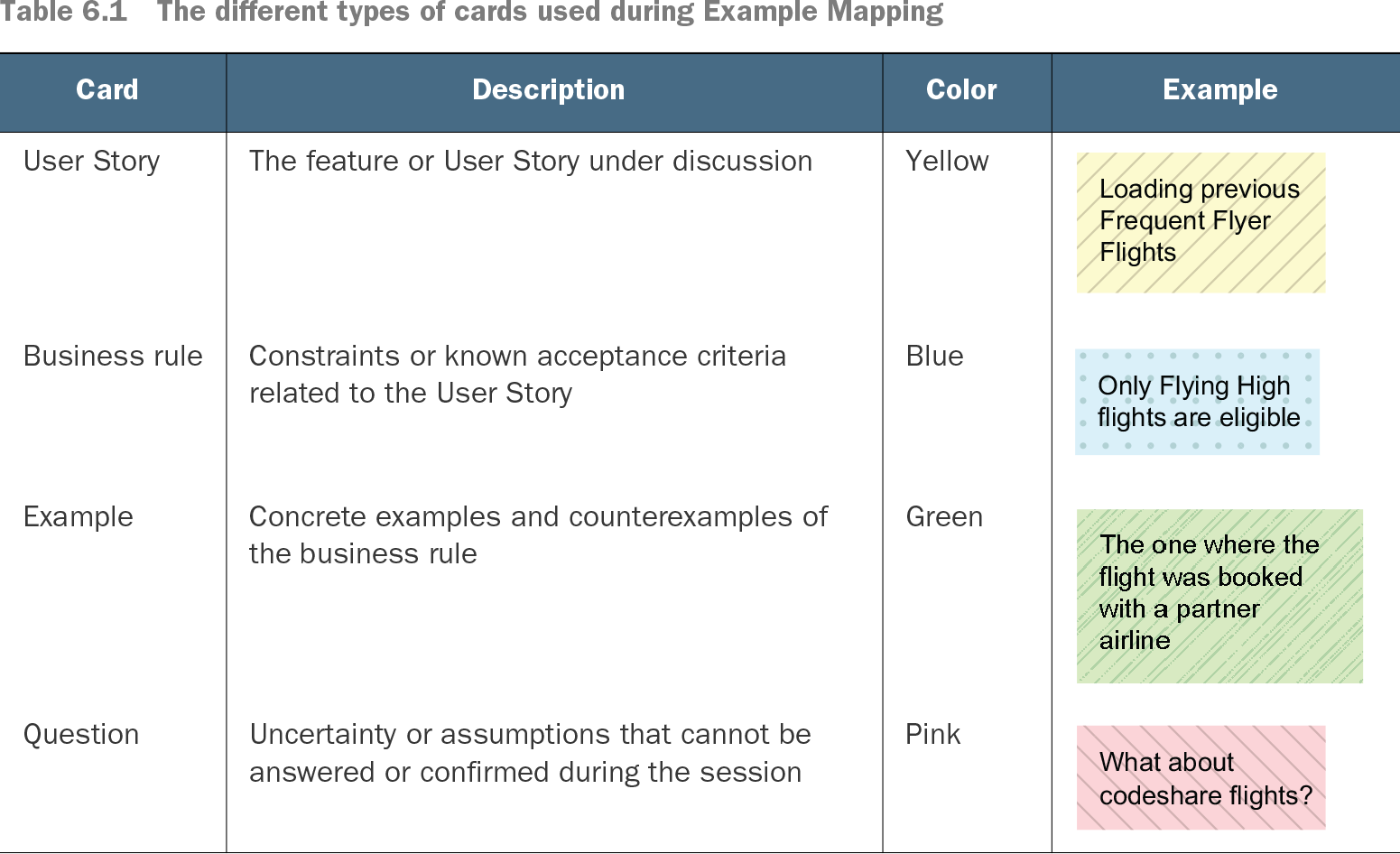
Run a session by arranging four kinds of cards:
- Place the User Story on a yellow card at the top of the map. section 6.4.1
- Record business rules or acceptance criteria on blue cards beneath the story. section 6.4.1
- Add concrete examples and counterexamples on green cards connected to each rule. section 6.4
- Capture unanswered assumptions and uncertainties on pink question cards. section 6.4
- Timebox the conversation to roughly 25–30 minutes, then decide whether the story is understood well enough to start or needs another session. section 6.4.5
Frequent-flyer points
For a points-earning User Story, the team records rules such as “Flights within Europe earn 100 points,” “Flights outside Europe earn 1 point per 10 km,” and “Business flights earn an extra 50%.” The team then explores examples, counterexamples, and questions before converting key examples into Given–When–Then scenarios. section 6.4.1 section 6.4.5
Table 6.1 The different types of cards used during Example Mapping (view table figure)
| Constraints or known acceptance criteria related to the User Story |
|||
| Uncertainty or assumptions that cannot be answered or confirmed during the session |
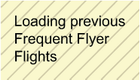
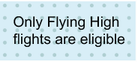
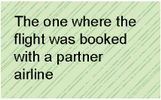
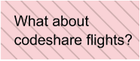
Use the card reference to distinguish the User Story, business rules, examples, and questions while building a map. section 6.4