liveBook · Manning

Graph algorithm

As explained in Graph Algorithms for Data Science

A graph algorithm is an algorithm that analyzes or computes properties of graphs, their nodes, relationships, or paths.

A graph algorithm analyzes or computes properties of nodes, relationships, and paths. It becomes especially useful when a graph is too large to understand through visualization alone. section 1.1

Graph algorithms turn connected data into practical signals: community structure reveals groups, centrality identifies influential or critical nodes, and pathfinding finds optimal routes under constraints. section 1.1 section 1.3

Common analytical roles include:

  • Detect disconnected or highly connected communities. section 1.1
  • Rank important nodes that influence information flow. section 1.1
  • Identify optimal paths subject to particular constraints. section 1.3
  • Produce features for machine-learning tasks such as link prediction or data-point classification. section 1.3

Social network analysis

Represent users as nodes and follows or likes as relationships. Community detection can expose isolated users and tightly connected groups, while centrality can highlight users with significant influence. section 1.1 section 1.2.1
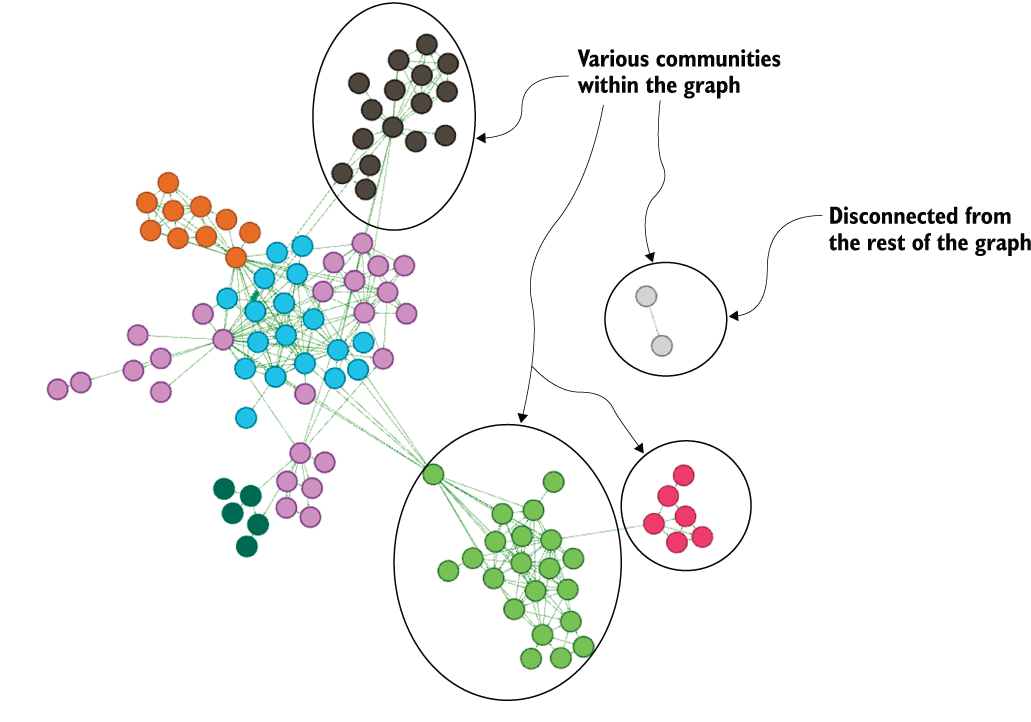
Figure 1.8 Evaluating the community structure of a graph
01-08

Use the graph view to inspect how community detection exposes isolated nodes and connected groups. section 1.1

How Graph Algorithms for Data Science covers it

How deep it goes
Explains practical algorithm families and their outputs, but stops short of implementation details, optimization, and formal derivations.
Examples
Uses social networks, service dependencies, bank transactions, supply chains, telecommunications, and cybersecurity as application settings.
What it assumes
Assumes basic graph terminology and graph-shaped data, while approaching analysis through modeled nodes and relationships.
What you can do after
Apply graph algorithms to inspect network structure, locate influential nodes, find communities, solve path problems, and generate machine-learning inputs.
How it connects
Connects graph algorithms with graph visualization, community detection, centrality, pathfinding, graph modeling, and graph machine learning.

Related concepts

This explainer was generated by Manning's knowledge graph from the text of Graph Algorithms for Data Science. The section links point to the parts of the book it draws on.