liveBook · Manning

HEART framework

As explained in Natural Language Processing in Action, Second Edition

The HEART framework is a user-experience measurement framework organized around happiness, engagement, adoption, retention, and task success.

HEART organizes user-experience measurement into five metric families: happiness, engagement, adoption, retention, and task success. For chatbots, it turns user actions—such as starting a conversation, asking a question, or saying thank you—into measurable events across the user journey. section 12.7.3 section 12.7.3

Adoption measurement can distinguish meaningful first use from superficial signup activity:

  • Count users who begin interacting with the chatbot, rather than every subscriber, when signups include spam or registrations made by others. section 12.7.3
  • Track feature adoption rate to estimate how popular newly added or costly-to-maintain features are. section 12.7.3

Math education chatbot

Measure adoption by counting students who proceed through several messages, excluding subscriptions without meaningful interaction or signups made by parents. section 12.7.3

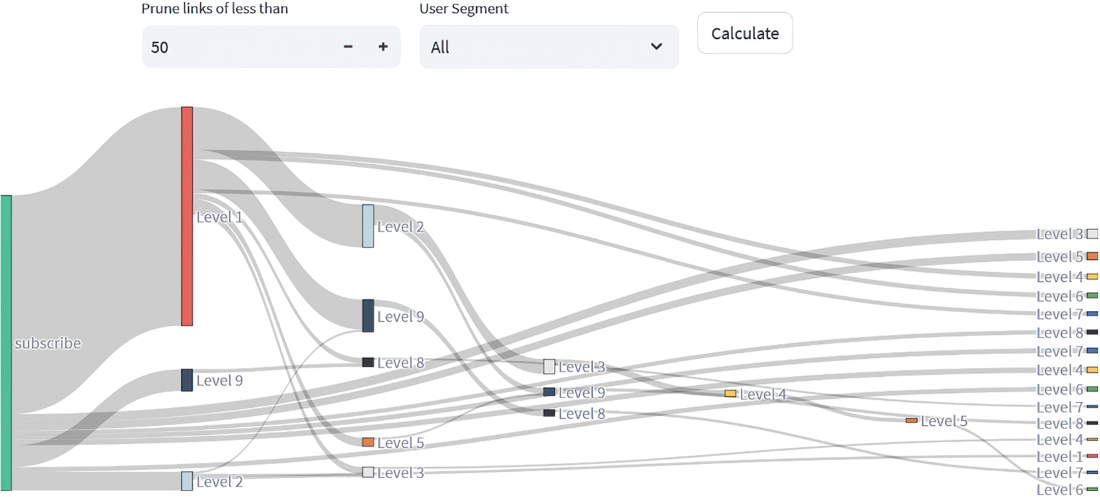
Figure 12.7 Sankey diagram of lesson funnels
figure

Use the lesson-funnel visualization to inspect how users progress through stages of a chatbot experience. section 12.7.3

How Natural Language Processing in Action, Second Edition covers it

How deep it goes
Defines five metric families and elaborates adoption measurement, but does not detail the remaining families.
Examples
Uses chatbot events, a math education bot, meaningful-message thresholds, and lesson-funnel visualization.
What it assumes
Assumes familiarity with chatbot interactions and tracked events, while defining the HEART categories and adoption choices.
What you can do after
Evaluate chatbot experience by selecting meaningful events and measuring adoption through interaction behavior.
How it connects
Connects user experience, chatbots, event tracking, feature adoption, and A/B testing.

Related concepts

This explainer was generated by Manning's knowledge graph from the text of Natural Language Processing in Action, Second Edition. The section links point to the parts of the book it draws on.