An internal demand driver is a factor affecting demand that a company can control. Pricing, promotions, marketing, events, shortages, and substitution products can change observed sales and should be assessed for both their demand impact and the availability of historical and future data. section 14.2.1
Use internal drivers in forecasting by checking whether they are measurable and known far enough ahead:
- Include promotions when they materially affect demand: they are usually trackable and planned, making them useful forecast inputs. section 14.2.1
- Model promotion types separately when their mechanics differ, or use actual discounted sales prices to represent discount impact. section 14.2.1
- Account for shifted demand around recurring or announced promotions, including preorders, delayed purchases, rebounds, and self-cannibalization. section 14.2.1
A recurring promotion
A sales peak during a planned promotion does not necessarily represent baseline demand. Demand may fall before the event as customers wait, then fall afterward through rebound effects; a forecast should represent that surrounding pattern rather than only the peak. section 14.2.1
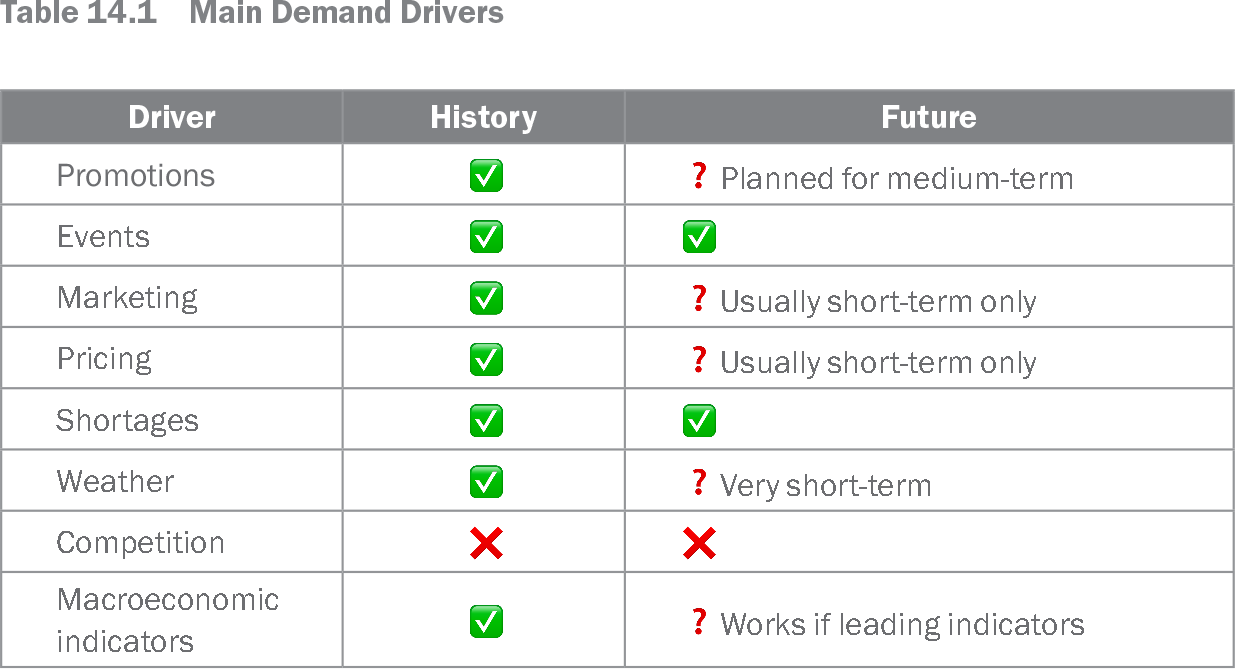
Table 14.1 Main Demand Drivers (view table figure)
| Driver |
History |
Future |
|---|---|---|
| Promotions |
✅ |
❓ Planned for medium-term |
| Events |
✅ |
✅ |
| Marketing |
✅ |
❓ Usually short-term only |
| Pricing |
✅ |
❓ Usually short-term only |
| Shortages |
✅ |
✅ |
| Weather |
✅ |
❓ Very short-term |
| Competition |
❌ |
❌ |
| Macroeconomic indicators |
✅ |
❓ Works if leading indicators |
Compare which drivers have usable history and which have future information available at the planning horizon. section 14.2.1