liveBook · Manning

Inverted pyramid scheme

As explained in Machine Learning System Design

A top-down problem-analysis technique that begins with a broad high-level statement and progressively investigates more specific details and nuances.

The inverted pyramid scheme frames an ML problem from the widest organizational view downward. Start with a statement anyone in the organization can understand, then question each word to uncover definitions, evidence, measures, and valuable data. section 2.2

Use the technique to turn a vague concern into an investigable problem:

  • Write a helicopter-view statement, such as identifying fraudsters, weak product margins, excessive manual tuning, or low user engagement. section 2.2
  • Challenge every term with leading questions: who is affected, what happened, which evidence revealed it, where effort is wasted, and how success is measured. section 2.2
  • Use the resulting understanding to identify the data most valuable for launching the project. section 2.2
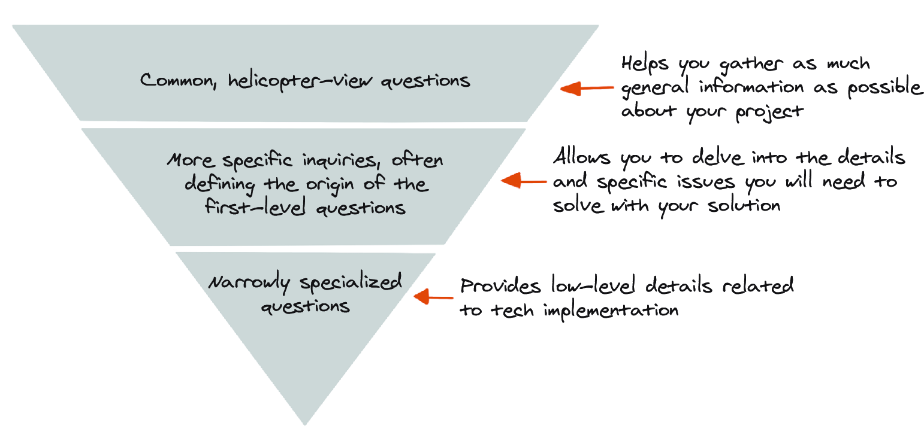
Figure 2.3 The inverted pyramid scheme is an approach we recommend for gathering data required for a successful project launch.
figure

A visual pyramid supports navigation from high-level context toward increasingly specific problem details. section 2.2

How Machine Learning System Design covers it

How deep it goes
Defines a broad-to-specific questioning process, but stops short of prescribing technical implementation.
Examples
Uses fraud detection, pricing, manual tuning, and user engagement statements as starting points for questioning.
What it assumes
Assumes broad domain understanding while teaching practitioners to interrogate a problem statement in plain language.
What you can do after
Apply it via a written problem statement, leading questions, and judgments about which data matters most.
How it connects
Connects domain understanding, data value, ML system design, and stakeholder communication.

Related concepts

This explainer was generated by Manning's knowledge graph from the text of Machine Learning System Design. The section links point to the parts of the book it draws on.