A leading indicator is a macroeconomic or business signal that affects demand after a delay. Its current state can therefore give an earlier view of future demand, helping planners forecast before the outcome appears in sales history. section 14.2.1
Use a leading indicator when a demand driver is observable now but its commercial effect arrives later. Building permits, for example, can precede construction-project demand; an order book or collected preorders can signal near-term commercial success and support highly accurate short-term forecasts. section 14.2.1
Six-month demand lag
If an indicator consistently moves before demand by six months, its present value offers a six-month forecasting edge. The useful question is whether the observed relationship has a stable, actionable delay. section 14.2.1
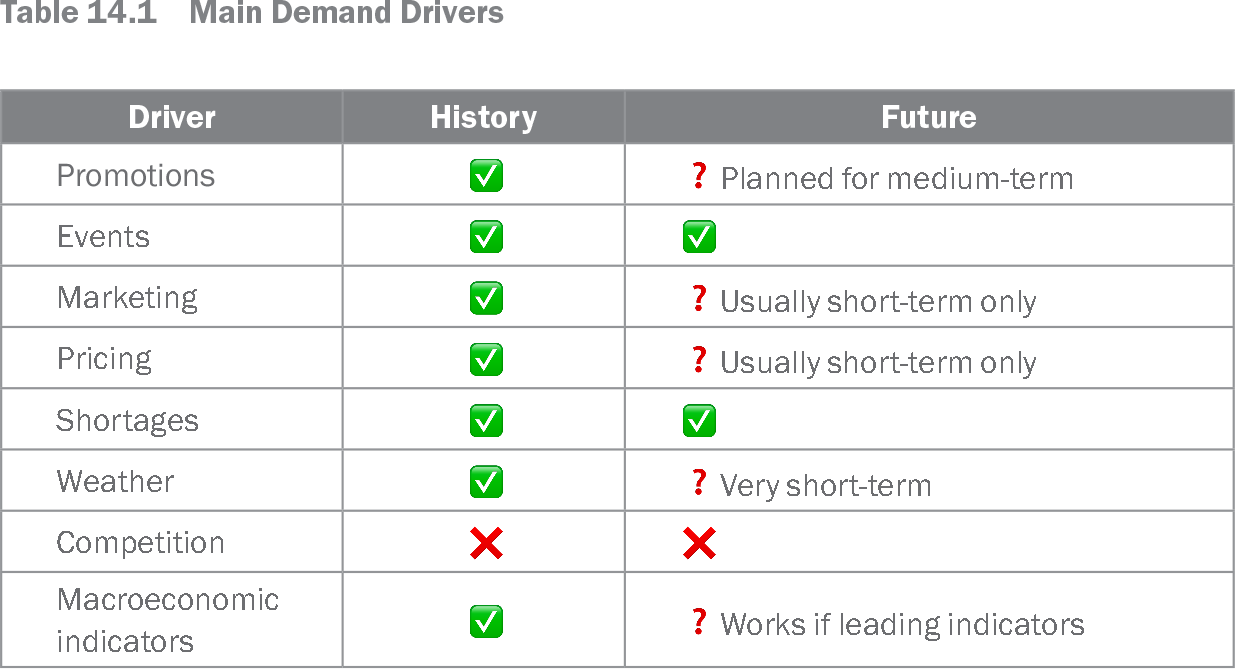
Table 14.1 Main Demand Drivers (view table figure)
| Driver |
History |
Future |
|---|---|---|
| Promotions |
✅ |
❓ Planned for medium-term |
| Events |
✅ |
✅ |
| Marketing |
✅ |
❓ Usually short-term only |
| Pricing |
✅ |
❓ Usually short-term only |
| Shortages |
✅ |
✅ |
| Weather |
✅ |
❓ Very short-term |
| Competition |
❌ |
❌ |
| Macroeconomic indicators |
✅ |
❓ Works if leading indicators |
Compare demand drivers by whether future information is available; macroeconomic indicators are useful when they function as leading indicators. section 14.2.1