Self-awareness means recognizing your emotions, thoughts, beliefs, and behaviors, along with your strengths, weaknesses, values, and motivations. It has two sides: internal self-awareness is understanding what drives your behavior and decisions; external self-awareness is noticing how others perceive your actions and communication. Both help you make more informed decisions and adjust how you work with people. section 11.2.1
For a lead developer, self-awareness is part of emotional intelligence. Noticing your reactions makes it easier to manage them, communicate effectively, and resolve conflict. It also helps you question whether your leadership style fits the team: an experienced, self-motivated team may need less direction than a less experienced one. section 3.1.2 section 11.2.1
Build the habit through reflection and feedback:
- Ask what went well, what did not, and which strengths or weaknesses need attention. Turn the answers into a plan for improvement. section 3.1.2
- Ask colleagues, managers, team members, or a trusted mentor for honest feedback. Compare their view of your behavior with your own. section 3.1.2 section 11.6.2
- Notice assumptions about co-workers. Unconscious bias can undermine respect even when you do not intend it; identify it and stop it rather than relying on good intentions alone. section 1.3.2
- When you get something wrong, acknowledge it and apologize. Listen and ask how others see the situation instead of assuming your account is complete. section 3.1.3
A tense client conversation
A client speaks angrily and demands an immediate answer. Notice whether their tone has triggered anxiety or defensiveness. Pause, breathe, and consider the pressures they may face. If you need to investigate, say you will research the problem rather than risk giving inaccurate information. The aim is a composed, useful response—not an impulsive reaction. section 8.4.1
Self-awareness also matters when mentoring. You may discover gaps in your own mentoring skills, or realize that a mentee has surpassed you in a particular skill. Treat that as an opportunity to keep learning and support their growth, not a reason to withhold knowledge. section 9.1
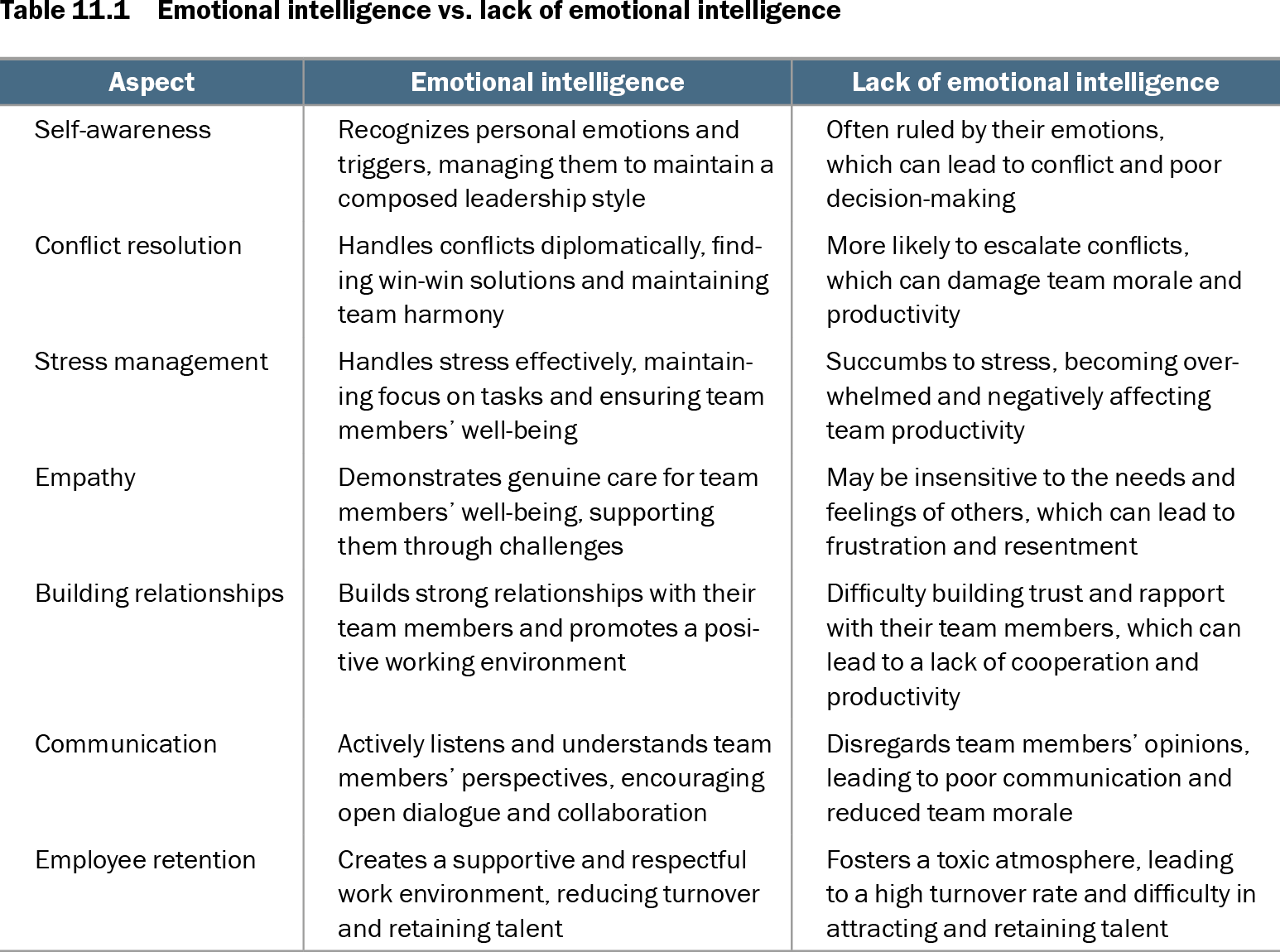
Table 11.1 Emotional intelligence vs. lack of emotional intelligence (view table figure)
| Aspect |
Emotional intelligence |
Lack of emotional intelligence |
|---|---|---|
| Self-awareness |
Recognizes personal emotions and triggers, managing them to maintain a composed leadership style |
Often ruled by their emotions, which can lead to conflict and poor decision-making |
| Conflict resolution |
Handles conflicts diplomatically, finding win-win solutions and maintaining team harmony |
More likely to escalate conflicts, which can damage team morale and productivity |
| Stress management |
Handles stress effectively, maintaining focus on tasks and ensuring team members’ well-being |
Succumbs to stress, becoming overwhelmed and negatively affecting team productivity |
| Empathy |
Demonstrates genuine care for team members’ well-being, supporting them through challenges |
May be insensitive to the needs and feelings of others, which can lead to frustration and resentment |
| Building relationships |
Builds strong relationships with their team members and promotes a positive working environment |
Difficulty building trust and rapport with their team members, which can lead to a lack of cooperation and productivity |
| Communication |
Actively listens and understands team members’ perspectives, encouraging open dialogue and collaboration |
Disregards team members’ opinions, leading to poor communication and reduced team morale |
| Employee retention |
Creates a supportive and respectful work environment, reducing turnover and retaining talent |
Fosters a toxic atmosphere, leading to a high turnover rate and difficulty in attracting and retaining talent |
Compare how recognizing emotions and triggers supports composed leadership, while being ruled by emotions can contribute to conflict and poor decisions. section 11.1