liveBook · Manning

On-demand self-service

As explained in Acing the CCNA Exam: Volume 2 Advanced Networking and Security

On-demand self-service is a cloud-computing characteristic that lets customers provision or stop services without direct interaction with the provider's personnel.

On-demand self-service lets a customer use or stop a cloud service when needed without direct human interaction with the provider. A web portal provides the access point for self-service provisioning and control. section 17.3.1

Figure 17.11 The AWS web portal through which customers can access services. Human-to-human interaction with AWS isn’t necessary.
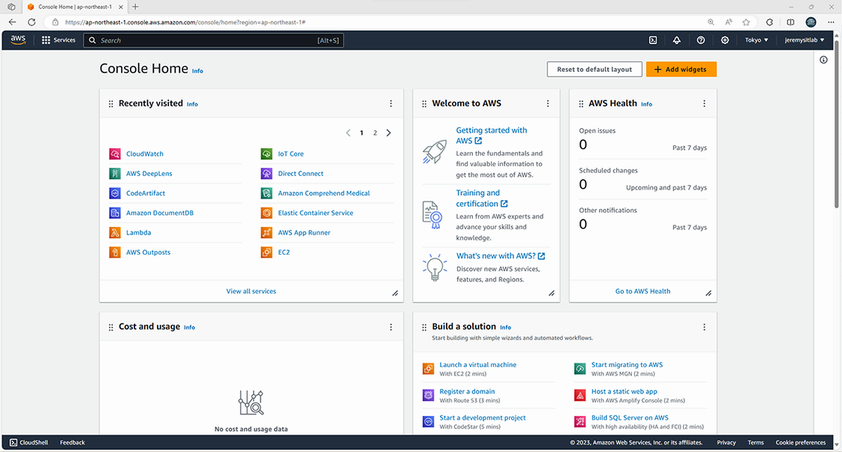
The AWS web portal illustrates customer-controlled cloud access without human-to-human interaction with the provider. section 17.3.1

Key points:

  • Customers start or stop services as required. section 17.3.1
  • The provider’s personnel do not need to handle each request directly. section 17.4
  • The characteristic forms part of the five essential characteristics of cloud computing. section 17.3.1

How Acing the CCNA Exam: Volume 2 Advanced Networking and Security covers it

How deep it goes
Defines the characteristic and gives a web-portal example, but stops short of implementation procedures or service-specific configuration.
Examples
Uses the AWS web portal as the concrete example of customer-controlled service access.
What it assumes
Assumes only the distinction between cloud services and direct human interaction with a provider.
What you can do after
Operate cloud services through a web portal without direct provider-personnel interaction.
How it connects
Connects cloud computing with broad network access, resource pooling, rapid elasticity, measured service, and cloud service models.

Related concepts

This explainer was generated by Manning's knowledge graph from the text of Acing the CCNA Exam: Volume 2 Advanced Networking and Security. The section links point to the parts of the book it draws on.