liveBook · Manning

Memory bound

As explained in Architecture Modernization: Socio-technical alignment of software, strategy, and structure

A bottleneck is a constraint in a process or system that limits the rate or efficiency of overall work.

A bottleneck is a constraint that limits the flow or efficiency of work. In organizations, it can arise when a shared platform cannot meet consumers’ needs, a process takes too long, or a team’s coordination demands exceed its capacity. section 6.1.4 section 7.3.1 section 11.2.3

Look for bottlenecks in:

  • Shared capabilities that are difficult to consume or cannot keep pace with the teams depending on them. section 6.1.4
  • Processes with long or highly variable durations; make the time between events explicit. section 7.3.1
  • Team dependencies that require sustained coordination or leave one team maintaining work for others. section 11.2.3
  • Internal tools that add friction, slow case processing, or make operations hard to scale. section 3.1.6

Integration platform team

A platform team built and maintained custom endpoints for several teams. The resulting coordination exceeded its capacity, so others experienced it as a bottleneck. Mapping team interactions helped clarify which responsibilities belonged elsewhere. section 11.2.3
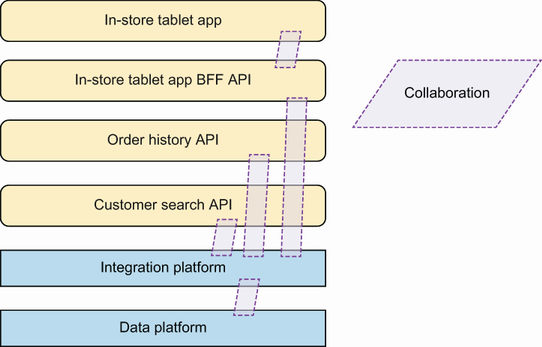
Figure 11.6 The integration platform team was overloaded with too much collaboration.

The team topology diagram illustrates how extensive collaboration overloaded the integration platform team. section 11.2.3


How Architecture Modernization: Socio-technical alignment of software, strategy, and structure covers it

How deep it goes
Explains organizational causes through examples and diagnostic questions, without detailing technical performance measurement.
Examples
Uses an overloaded integration platform team, slow internal workflows, and shared platforms as examples.
What you can do after
Diagnose organizational bottlenecks by examining process durations, team dependencies, coordination load, and tool friction.
How it connects
Connects bottlenecks to platforms, EventStorming, lead time, team cognitive load, and internal tools.

Also explained in

Compare how 11 books explain memory bound →

Related concepts

This explainer was generated by Manning's knowledge graph from the text of Architecture Modernization: Socio-technical alignment of software, strategy, and structure. The section links point to the parts of the book it draws on.








