liveBook · Manning

Prompt pattern

As explained in Claude at Work

A prompt pattern is a reusable structure for specifying a desired outcome, its purpose, and applicable constraints.

A prompt pattern is a reusable way to make a request specific and usable: state the desired outcome, explain why it matters, and set constraints. Prompts can be requirement lists or include raw data; they need not be polished sentences. section 2.2

Structure a request around three parts:

  • What you want gives Claude a clear goal. section 2.2
  • Why you want it communicates intent and can surface assumptions. section 2.2
  • Constraints help ensure the response is something you can use. section 2.2

Supply raw data

Paste system logs and ask “what’s up?” to have Claude diagnose them, rather than summarizing the problem first. section 2.2

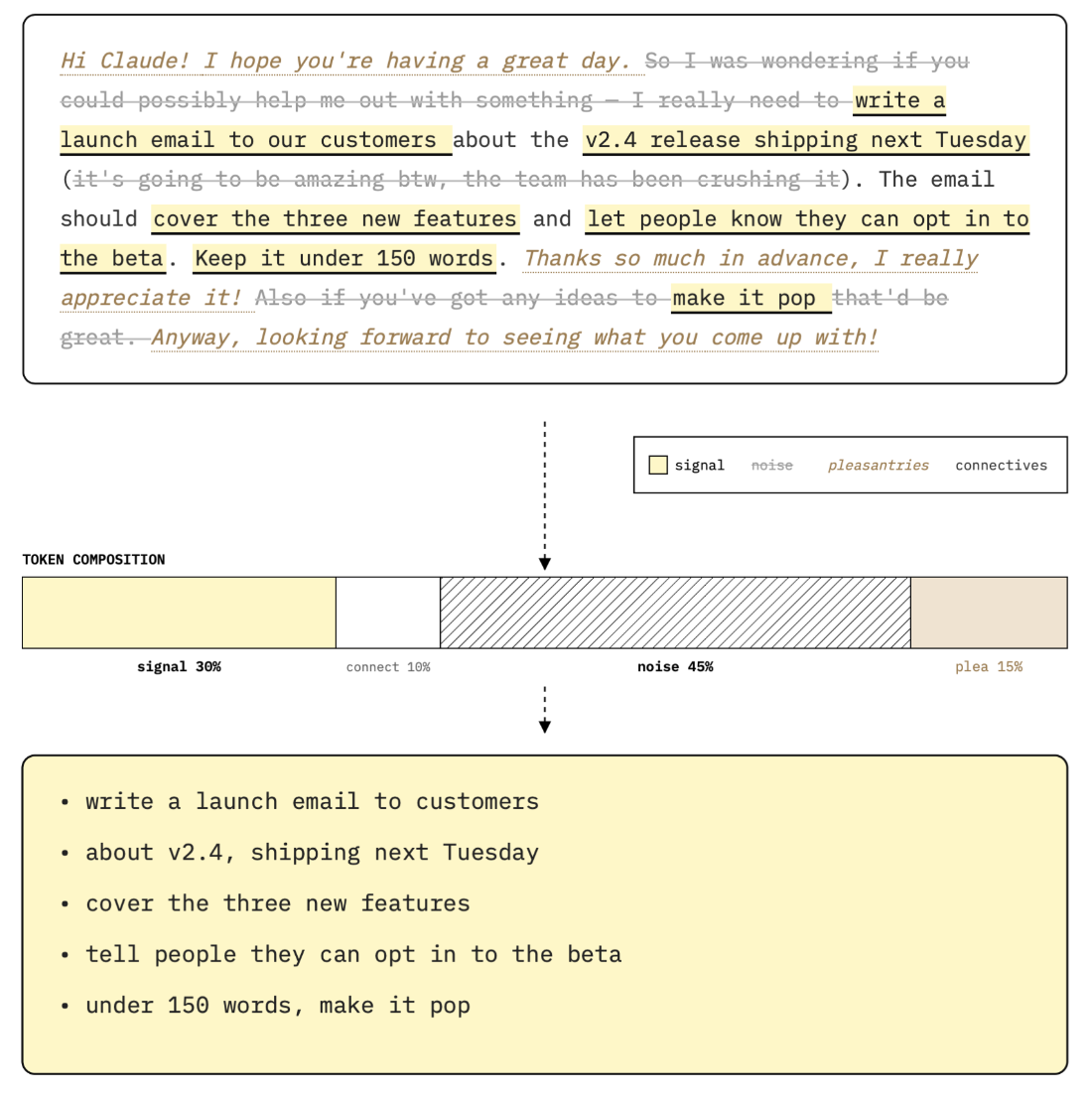
Figure 2.2 A wordy, unfocused prompt where the signal is buried in noise
CH02 F02 Stoneman

Inspect the figure for an example of a wordy prompt with its signal buried in noise. section 2.2


How Claude at Work covers it

How deep it goes
Defines a three-part structure and allows follow-up clarification without prescribing a fixed template.
Examples
Uses pasted system logs followed by “what’s up?” as an example of supplying raw data.
What it assumes
Requires no polished sentences; permits requirement lists and raw content.
What you can do after
Apply it via Claude by stating what you want, why you want it, and any constraints.
How it connects
Links prompt goals to intent, constraints, and clarifying follow-up questions.

Also explained in

Compare how 2 books explain prompt pattern →

Related concepts

This explainer was generated by Manning's knowledge graph from the text of Claude at Work. The section links point to the parts of the book it draws on.