liveBook · Manning

Prototyping

As explained in Lead Developer Career Guide

The practice of creating an early, simplified model of a product or feature to evaluate feasibility and gather feedback.

A prototype is an early version of a product or feature used to test design ideas and gather feedback. It can be a paper sketch, software mockup, wireframe, or coded project. Making one early can reveal problems, save time and resources, and help communicate ideas to teammates and stakeholders. section 4.2

Prototypes can also support learning and future work:

  • Build a simple project, such as a CRUD application, to explore a language or technology; expand it as your skills grow. section 4.2.3
  • Keep reusable projects as references for later work, and adapt or reuse code when similar technologies are needed. section 4.2.3 section 12.1.2
Figure 4.1 Example CRUD prototype
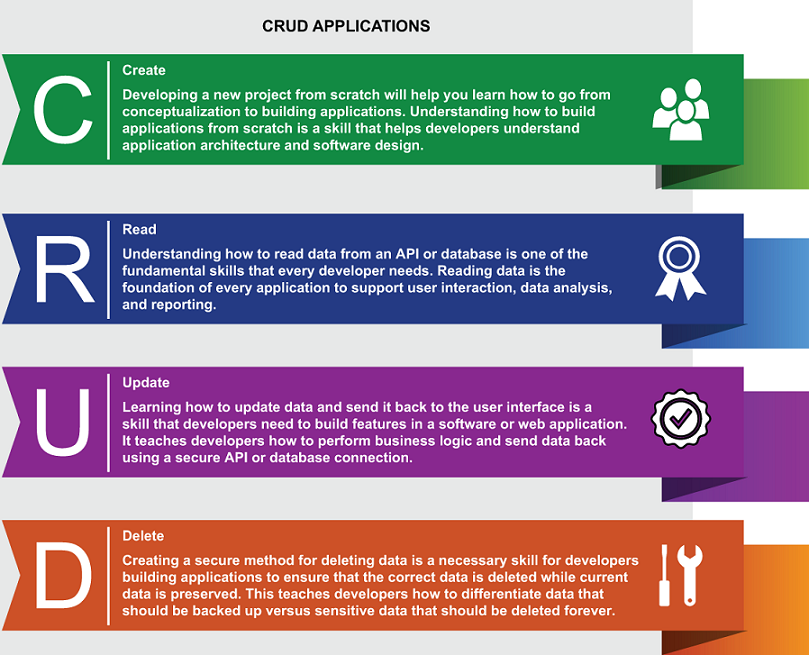
A sample CRUD prototype illustrates a simple project that can be adapted for learning. section 4.2


How Lead Developer Career Guide covers it

How deep it goes
Defines prototypes and explains their forms, benefits, and reuse, without prescribing a formal evaluation procedure.
Examples
Uses paper sketches, mockups, wireframes, coded projects, CRUD applications, and a Hello World application as examples.
What you can do after
Apply prototyping to test ideas early, collect feedback, explore technologies, and communicate a project’s value.
How it connects
Connects prototyping with design, feedback, stakeholder communication, technology learning, and software development.

Also explained in

Compare how 8 books explain prototyping →

Related concepts

This explainer was generated by Manning's knowledge graph from the text of Lead Developer Career Guide. The section links point to the parts of the book it draws on.





