liveBook · Manning

Random network

As explained in Graph Algorithms for Data Science

A random network is a network model in which connections are formed according to a random process.

A random network models connections as outcomes of random encounters or interactions. Its nodes tend to have roughly similar numbers of links, producing a Gaussian degree distribution. section 5.0

Use the model as a baseline for comparing real networks:

  • Most nodes have approximately the same degree. section 5.0
  • Very popular and isolated nodes are both uncommon. section 5.0
  • Real networks rarely follow this distribution because organizing principles shape their connections. section 5.0
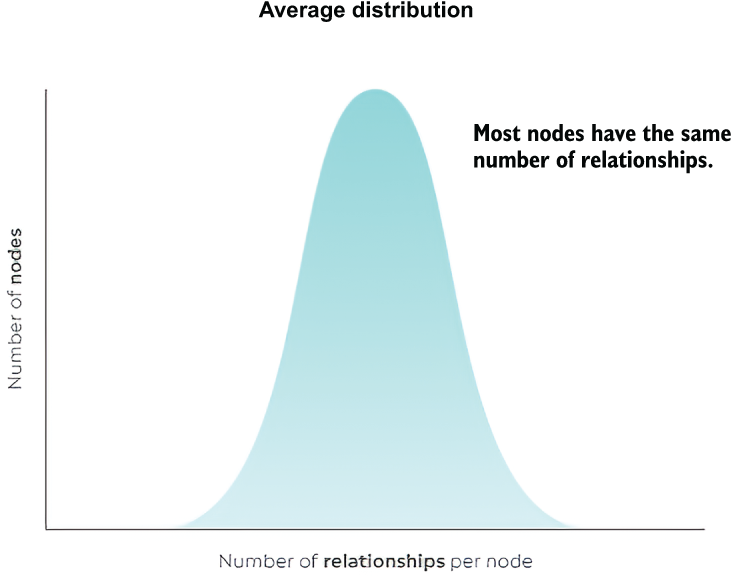
Figure 5.1 Random network degree distribution
05-01

Inspect the Gaussian degree distribution associated with a random network. section 5.0

How Graph Algorithms for Data Science covers it

How deep it goes
Defines node degree and explains the expected Gaussian distribution, but does not develop a formal generative procedure.
Examples
Uses social networks, molecular interactions, web pages, URL links, and a random-network degree-distribution figure.
What it assumes
Builds node degree from the basic idea that nodes have links and explains the terminology in simple language.
What you can do after
Evaluate whether an observed network resembles the random-network degree-distribution baseline.
How it connects
Connects node degree distribution with Gaussian distribution, scale-free networks, web structure, and PageRank.

Related concepts

This explainer was generated by Manning's knowledge graph from the text of Graph Algorithms for Data Science. The section links point to the parts of the book it draws on.