liveBook · Manning

Red-teaming

As explained in Machine Learning Platform Engineering

Adversarial testing is the deliberate evaluation of a system with challenging, manipulative, or harmful inputs to expose weaknesses.

Red-teaming deliberately probes models and applications with challenging, manipulative, or harmful inputs to expose errors and vulnerabilities. It strengthens evaluation and becomes especially important for public-facing RAG and LLM systems. section 2.1.7 section 13.0

Operational red-teaming connects testing to the wider ML life cycle:

  • Test model sensitivity, robustness, and edge cases alongside ordinary evaluation. section 2.1.4
  • Analyze failures and systemic weaknesses, then feed findings back into data collection and improvement. section 2.1.4
  • Combine adversarial testing with input sanitation, prompt safety, hallucination testing, safety guardrails, and vulnerability assessment. section 2.1.7 section 13.0
  • Automate evaluation pipelines and centrally track results so repeated tests remain visible and comparable. section 2.1.4
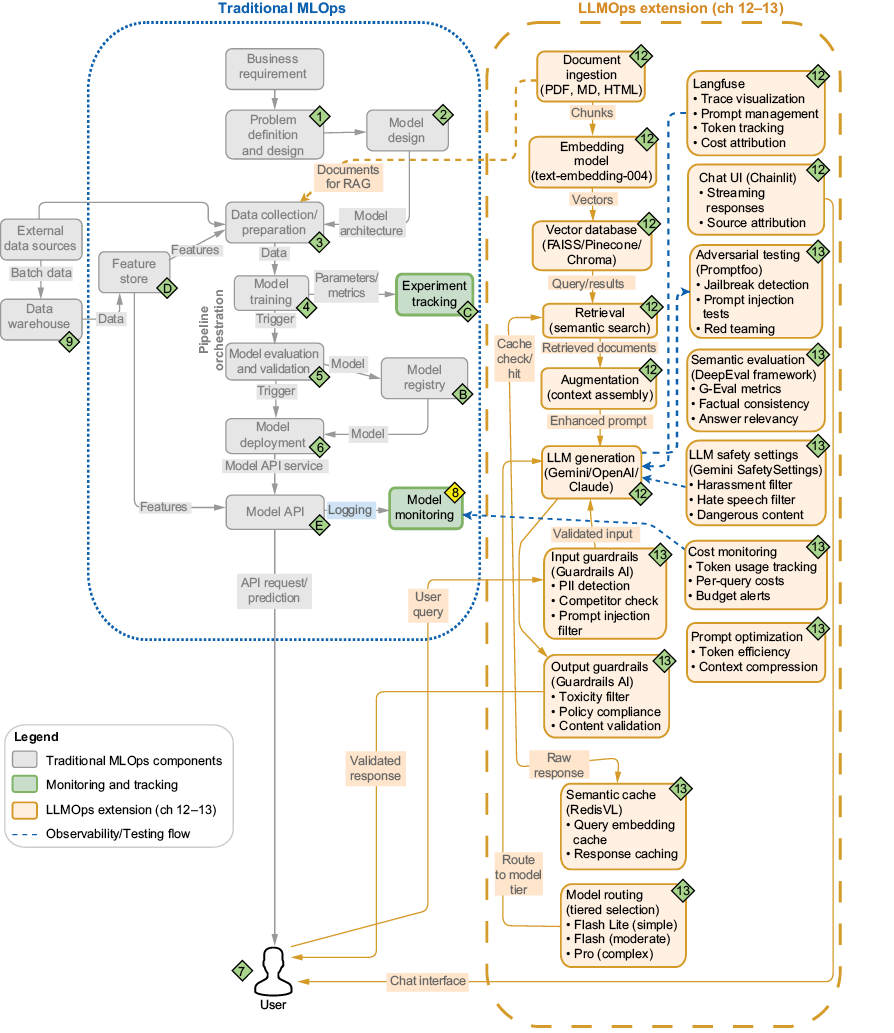
Figure 12.1 The mental map where we’re focusing on building our RAG application (12)
A diagram of a computer

AI-generated content may be incorrect.

Situate red-teaming within the broader RAG architecture, where LLM-specific testing extends existing infrastructure rather than replacing it. section 12.0


How Machine Learning Platform Engineering covers it

How deep it goes
Connects robustness, edge cases, prompt injection, and vulnerability assessment, but supplies no detailed testing procedure.
Examples
Uses misclassified samples, edge-case simulations, harmful-content risks, and prompt-injection attacks as testing concerns.
What it assumes
Builds on model evaluation and production observability while extending traditional MLOps with LLM-specific safety testing.
What you can do after
Evaluate model robustness and LLM vulnerabilities within automated, tracked production-testing workflows.
How it connects
Links model evaluation, monitoring, input sanitation, prompt safety, hallucination testing, safety guardrails, and governance.

Also explained in

Compare how 6 books explain red-teaming →

Related concepts

This explainer was generated by Manning's knowledge graph from the text of Machine Learning Platform Engineering. The section links point to the parts of the book it draws on.



