Reuse applies an existing module, representation, or operation in multiple contexts instead of reimplementing it. Together with modularity and hierarchy, it turns complex systems into organized structures. section 9.1
Reuse appears throughout software and deep learning:
- Software reuses classes and functions rather than implementing the same behavior twice. section 9.1
- Deep learning reuses layers, repeated blocks, and convolution operations across spatial locations. section 9.1
- Reusable trained models can support new tasks with little or no retraining, enabling continuous online learning and foundation models. section 1.7
- Future AI systems may recombine robust functions and classes from shared component libraries instead of training every task from scratch. section 19.4.6
Repeated convolutional blocks
Xception organizes its entry flow into repeated SeparableConv–SeparableConv–MaxPooling blocks. Repeating the same architectural pattern helps build a deeper hierarchy while feature maps shrink and become richer. section 9.1
Figure 9.1 Complex systems follow a hierarchical structure and are organized into distinct modules, which are reused multiple times (such as your 4 limbs, which are all variants of the same blueprint, or your 20 digits).
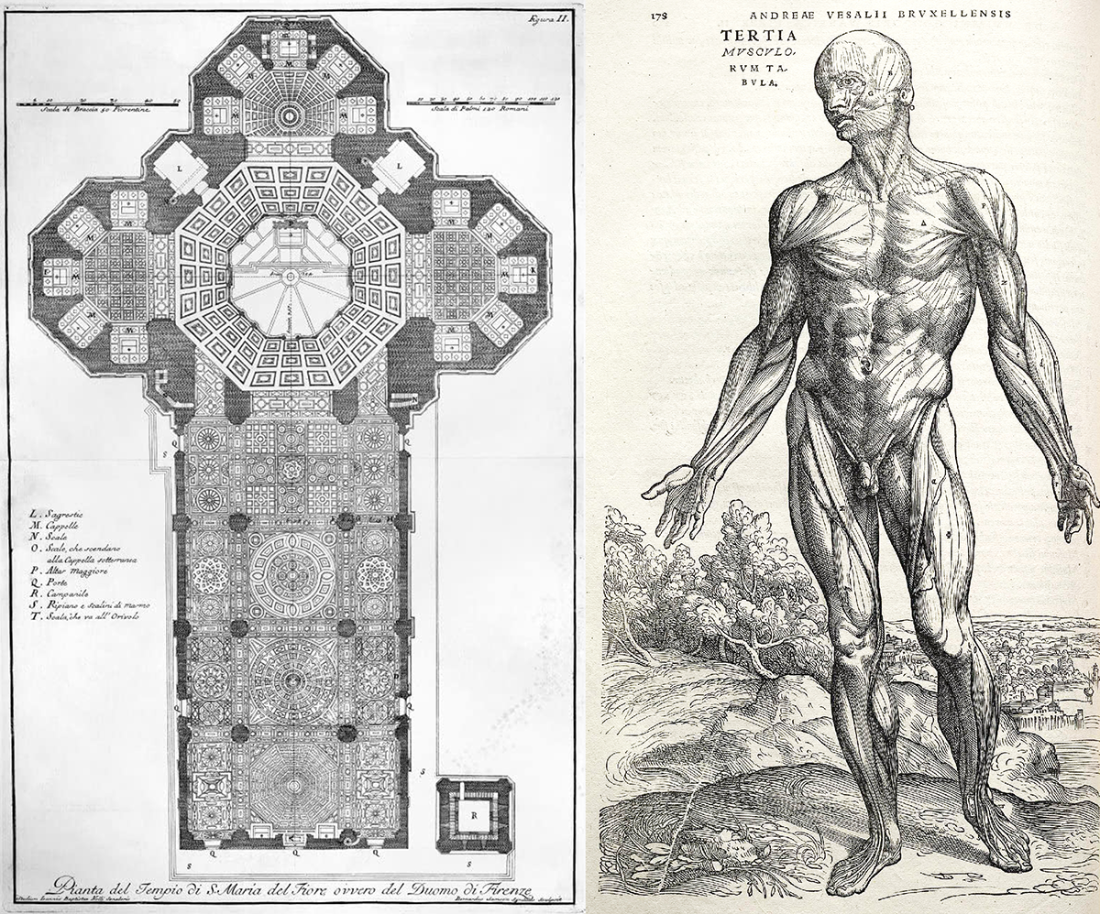
Use the figure to see how complex systems separate into modules, arrange those modules hierarchically, and reuse them across multiple locations. section 9.1





