liveBook · Manning

Go-to-market architecture

As explained in Tech Startup Toolkit

A go-to-market architecture is a structured framework of rules and components that organizes a company's vision, strategy, and customer-acquisition tactics.

A go-to-market architecture is a framework of guiderails and rules that connects vision, strategy, and the tactics used to turn prospects into customers. Together, these parts form a GTM machine. section 16.2

The software-architecture warning

Building a GTM plan without architecture is like writing software from the hip: new additions can force you to throw everything away and start over. Good architecture makes growth more extensible. section 16.2

The architecture brings together:

  • Vision: the direction the company is pursuing. section 16.2
  • Strategy: the choices that shape how the company approaches markets and competition. section 16.2
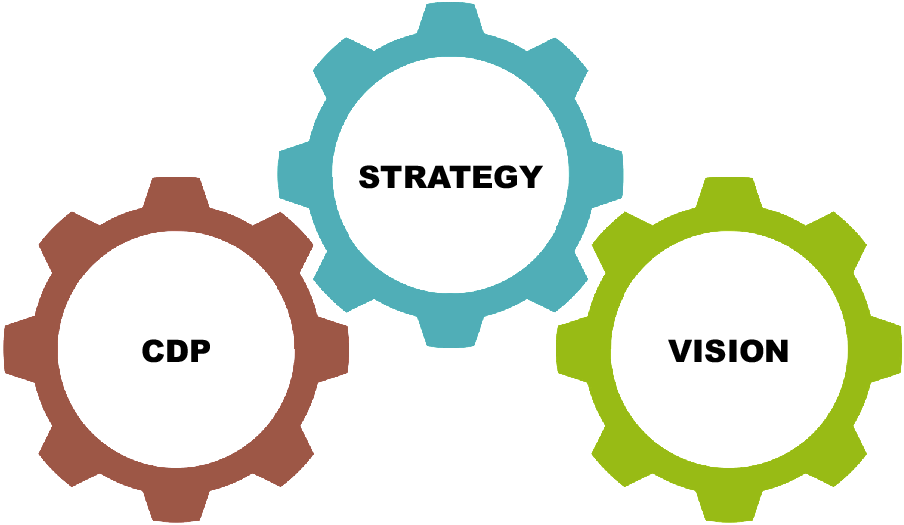
  • Customer development process (CDP): the tactics for turning prospects into customers. section 16.2
Figure 16.1 The GTM machine showing the three major GTM components
figure

Use the GTM machine diagram to see how vision, strategy, and customer development process fit together and interact. section 16.2

How Tech Startup Toolkit covers it

How deep it goes
Defines three interacting components and explains the architecture analogy, but stops short of detailed implementation steps.
Examples
Uses software architecture as an analogy and depicts the GTM machine as an interacting three-part framework.
What you can do after
Evaluate how vision, strategy, and customer development process fit together as a scalable GTM machine.
How it connects
Connects vision, strategy, customer development process, software architecture, markets, business models, and competition.

Related concepts

This explainer was generated by Manning's knowledge graph from the text of Tech Startup Toolkit. The section links point to the parts of the book it draws on.