When a team relies on another team or a third-party vendor, a service-level agreement (SLA) makes expected service performance explicit. It records measurable commitments such as availability, customer-problem turnaround time, resolution time, or code-review response time. section 12.2.5
A practical SLA can clarify:
- What service is expected and how its quality will be judged. section 12.2.5
- How quickly the provider responds to customer problems or code-review requests. section 12.2.5
- How availability and mean time to resolution indicate whether production services meet their commitments. section 1.2.4 section 12.2.5
- Which procedures each party must maintain for consistent service and quality control. section 12.2.5
Using an SLA to expose operational health
A team can combine SLA measures with monitoring, dashboards, on-call reports, and availability data. If service health deteriorates and on-call workload rises, the gap between expected and actual performance becomes visible and can guide improvement work. section 1.2.4 section 12.2.5
Figure 12.1 Monitoring and dashboarding help provide visibility into the health of systems.
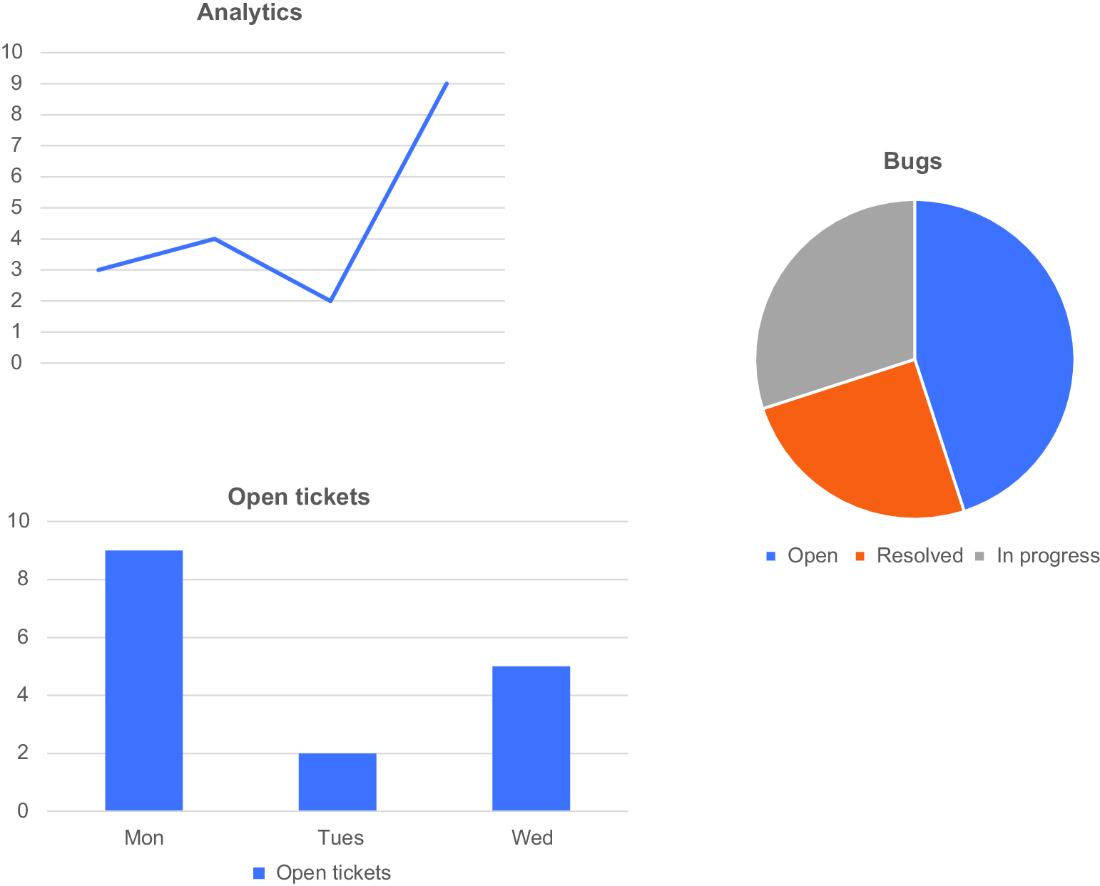
Use operational dashboards to make service health and progress visible alongside SLA expectations. section 12.2.5


