liveBook · Manning

Speculate phase

As explained in BDD in Action, Second Edition

The Speculate phase is the initial BDD phase in which teams hypothesize features that could help achieve organizational goals.

The Speculate phase is the initial BDD activity for hypothesizing features that could help achieve organizational goals. Rather than accepting a handed-off requirements list, business and technical people explore the problem, users, desired benefits, and possible solutions together. A train-delay notification may help commuters change plans and save time; station ratings may offer little value to someone already running late. section 3.2.2 section 4.0

Use the phase to connect business goals with prioritized capabilities and features:

  • Clarify why the organization is acting and what measurable benefit it expects. section 3.2.2 section 4.0
  • Identify whose behavior must change and which changes would support the goal. section 3.2.2
  • Select features that support valuable capabilities, such as easier daily commute planning or coping with delays. section 3.2.2
  • Prioritize likely deliverables before refining them into user stories and exploring acceptance criteria. section 4.0
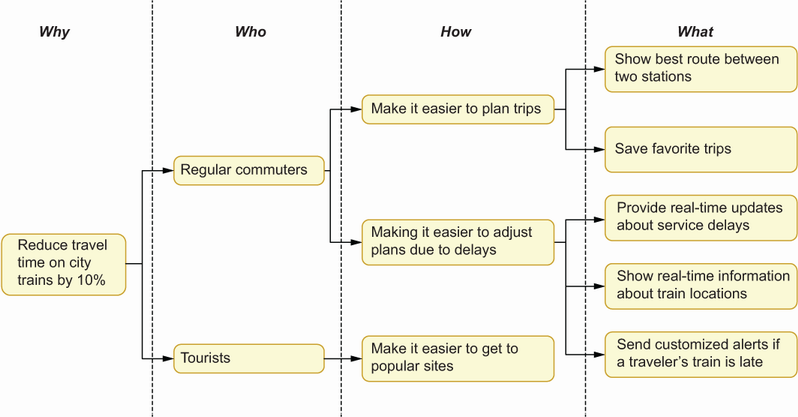
Figure 3.3 An Impact Map identifying high-level capabilities and features

An Impact Map makes the reasoning visible from business goals through actors and behavior changes to supporting capabilities and features. section 3.2.2

How BDD in Action, Second Edition covers it

How deep it goes
Explains goals, actors, behavior changes, and features, then defers user-story refinement and acceptance criteria.
Examples
Uses commuter planning, delay notifications, railway-station ratings, and Impact Mapping workshops as concrete illustrations.
What it assumes
Starts before implementation by establishing the problem, users, expected benefits, and business goals.
What you can do after
Evaluate and prioritize high-level capabilities and features against business goals before implementation.
How it connects
Connects BDD with business agility, Impact Mapping, product backlog refinement, user stories, and acceptance criteria.

Related concepts

This explainer was generated by Manning's knowledge graph from the text of BDD in Action, Second Edition. The section links point to the parts of the book it draws on.