liveBook · Manning

System 2

As explained in Collaborative Software Design: How to facilitate domain modeling decisions

The slower, deliberate, conscious, and effortful mode of human cognition used for reasoning and complex mental activities.

System 2 is the slower, conscious, effortful mode of thinking used for complex mental activities and deliberate decisions. It can challenge conclusions produced by intuitive System 1 thinking. section 7.1.3

The distinction is useful, but it is not a simple choice between two separate systems. Cognitive bias can shape intuitive conclusions, while deliberate reasoning may be needed to question them. section 7.1.3 section 7.1.2

Use System 2 when:

  • Solving a difficult calculation such as 37 × 17. section 7.1.3
  • Comparing potential houses or jobs before making a decision. section 7.1.3
  • Writing, reasoning through a complex activity, or questioning an overly quick conclusion. section 7.1.3

Reviewing a collaborative session

After a meeting or modeling session, look for anchoring, availability bias, functional fixedness, or the bandwagon effect. Discuss the session with others if no examples come to mind; failing to notice bias may itself indicate that intuitive thinking dominated. section 7.1.2

Figure 7.1 Sensemaking exercise to demonstrate cognitive bias during collaborative modeling
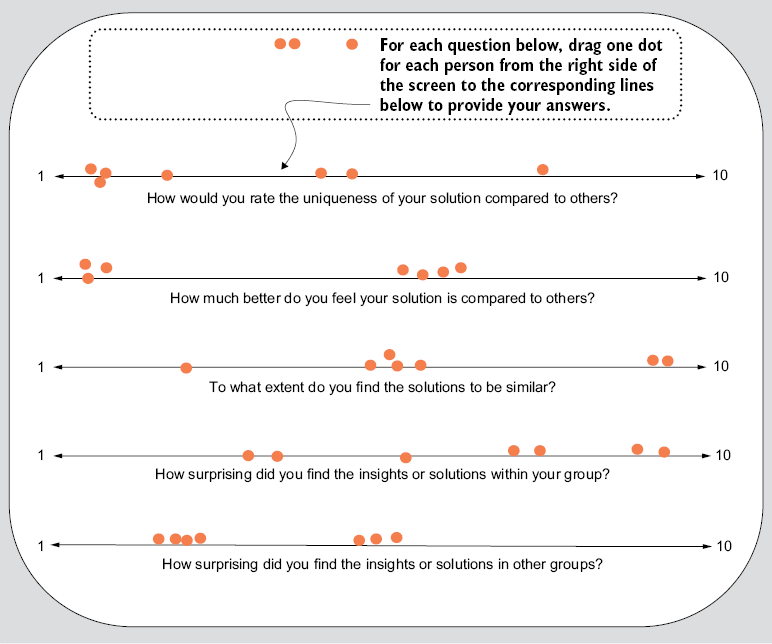
Use the sensemaking exercise to examine how cognitive bias can influence collaborative modeling and group outcomes. section 7.1.2

How Collaborative Software Design: How to facilitate domain modeling decisions covers it

How deep it goes
Defines deliberate reasoning, gives everyday examples, and notes System 1 nuance without developing cognitive mechanisms internally.
Examples
Uses multiplication, housing and job choices, writing, driving experience, and a collaborative-session bias review exercise.
What it assumes
Assumes familiarity with everyday decision-making while introducing System 1, System 2, and named cognitive biases.
What you can do after
Evaluate decisions and collaborative sessions by deliberately questioning intuitive conclusions and identifying cognitive biases.
How it connects
Connects System 2 with System 1, cognitive bias, anchoring, availability bias, functional fixedness, and the bandwagon effect.

Related concepts

This explainer was generated by Manning's knowledge graph from the text of Collaborative Software Design: How to facilitate domain modeling decisions. The section links point to the parts of the book it draws on.