liveBook · Manning

Experimentation

As explained in Architecture Modernization: Socio-technical alignment of software, strategy, and structure

A/B testing is an experiment that compares two variants of a product or experience with different users to evaluate their relative outcomes.

Experimentation is a way to modernize under uncertainty: try new technical and organizational approaches, observe what works, and continuously improve. It depends on trust, leadership support, and enough time and space for teams to learn rather than merely deliver. section 17.4

Effective experimentation connects technical change with team conditions:

  • Run experiments when the effective approach is not yet known, and expect to change direction as evidence accumulates. section 17.4 section 10.3.3
  • Use low-quality or throwaway code deliberately during discovery, then reassess quality and sustainability after potential value is validated. section 10.3.3
  • Protect experimental teams from short-term reprioritization that could undermine longer-term learning and differentiation. section 10.3.3

CloudSuite’s modernization experiments

CloudSuite combined workshops, hands-on coding, modularization, and Mob Programming while teams shared technical artifacts such as a cross-team backend API. Leadership support created the confidence and working space to try these approaches. section 17.4
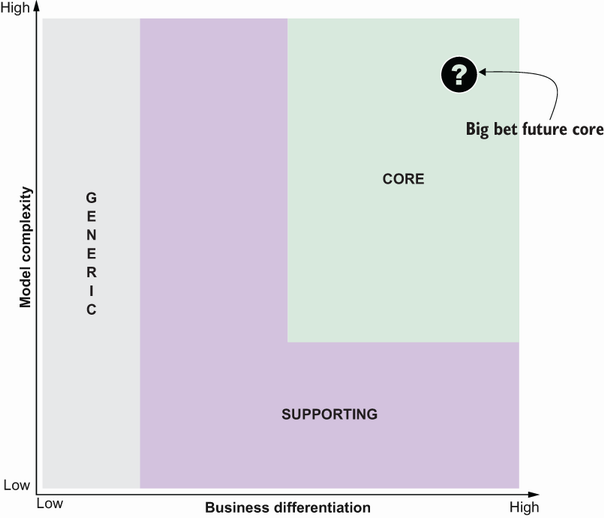
Figure 10.11 The big bet future core pattern

Use the big bet future core pattern to examine how experimentation supports uncertain, potentially differentiating work before a transition to a decisive core. section 10.3.3


How Architecture Modernization: Socio-technical alignment of software, strategy, and structure covers it

How deep it goes
Explains trust, leadership support, throwaway code, reprioritization risks, and transitions, without detailing experimental measurement or implementation mechanics.
Examples
Uses CloudSuite’s workshops, hands-on coding, cross-team API modularization, Mob Programming, and big bet future cores as examples.
What it assumes
Assumes teams can work collaboratively and receive leadership support, while teaching how to operate when structure, predictability, and value remain uncertain.
What you can do after
Apply an experimental mindset by creating space to try approaches, learn from results, and adjust direction as uncertainty decreases.
How it connects
Connects experimentation with modernization, modularization, Mob Programming, leadership support, and core domain evolution.

Also explained in

Compare how 16 books explain experimentation →

Related concepts

This explainer was generated by Manning's knowledge graph from the text of Architecture Modernization: Socio-technical alignment of software, strategy, and structure. The section links point to the parts of the book it draws on.













