liveBook · Manning

Bias detection

As explained in Generative AI in Action

Bias detection is the process of identifying systematic distortions or unfair tendencies in data, models, or outputs.

Bias detection looks for systematic distortions in training data or model outputs. In generative AI, it is one part of a broader effort to mitigate harms, alongside representative data, human oversight, and user education. section 13.3.3

Fairness audits can help identify whether model outputs systematically disadvantage certain groups. Detection supports harm mitigation, but is distinct from the steps taken to address identified bias. section 13.3.3 section 13.4.2

Tools named for assessing potential bias in model outputs include:

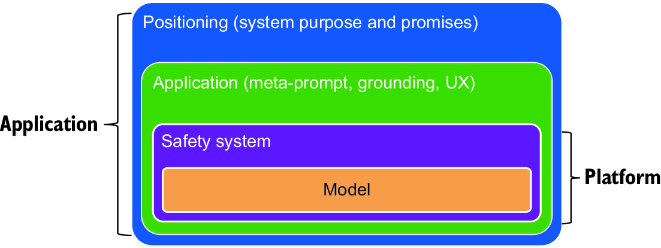
Figure 13.11 Harms mitigation layers
figure

Shows bias detection in the context of an iterative, layered approach to mitigating generative-AI harms. section 13.3.3


How Generative AI in Action covers it

How deep it goes
Names detection techniques and audit tools, but does not provide an audit procedure or measurement protocol.
Examples
Names AI Fairness 360 and TensorFlow Fairness Indicators for assessing potential bias in model outputs.
What you can do after
Evaluate model outputs for potential bias and systematic disadvantage using fairness-audit tools.
How it connects
Connects bias detection to representative data, fairness evaluation, model evaluation, red-teaming, and explainability.

Also explained in

Compare how 2 books explain bias detection →

Related concepts

This explainer was generated by Manning's knowledge graph from the text of Generative AI in Action. The section links point to the parts of the book it draws on.