liveBook · Manning

Collaborative discovery and modeling

As explained in Architecture Modernization: Socio-technical alignment of software, strategy, and structure

Collaborative modeling is a technique in which multiple stakeholders jointly create and refine a representation of a domain or system.

Collaborative discovery and modeling brings people from different roles and teams together to see a larger system, explore shared concerns, and refine decisions collectively. Techniques such as EventStorming can expose opportunities to reprioritize work, improve designs, and find capabilities already built elsewhere. section 16.4.3

Use the technique as an adaptable practice rather than a rigid recipe:

  • Start with a group size and setting that facilitators can support confidently; use smaller sessions or experienced help when large gatherings become difficult to design. section 16.4.3
  • Repeat EventStorming periodically among related teams so understanding, priorities, and system boundaries can evolve with new discoveries. section 16.4.3
  • Let tactical modeling motivate broader collaboration when that path better engages developers; shared language, vertical alignment, and team boundaries can follow. section 17.4

CloudSuite’s bottom-up modernization

CloudSuite began with tactical software design and modeling rather than large-scale EventStorming. Developers’ engagement created a need for a ubiquitous language, which led to collaborative modeling, stronger vertical alignment, and teams organized around subdomains. The organization identified discovery and ordering as two core domains in the e-commerce journey, then tested the boundaries by checking their coupling. section 17.4
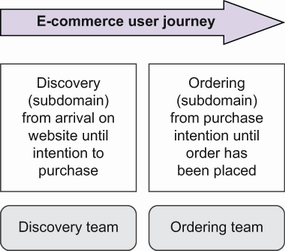
Figure 17.4 CloudSuite’s subdomains identified with a bottom-up modernization approach

Use the figure to inspect CloudSuite’s subdomains as an example of boundaries emerging from bottom-up modernization. section 17.4


How Architecture Modernization: Socio-technical alignment of software, strategy, and structure covers it

How deep it goes
Moves from facilitated group exploration to tactical modeling and subdomain boundaries, while avoiding a fixed recipe for domain discovery.
Examples
Includes developer-experience workshops, periodic EventStorming, and CloudSuite’s bottom-up discovery and ordering subdomains.
What it assumes
Assumes participation across roles and facilitation skill; builds from tactical software design toward shared language and organizational alignment.
What you can do after
Apply it via EventStorming and workshops to surface themes, improve designs, reprioritize work, and test domain boundaries.
How it connects
Connects EventStorming with ubiquitous language, domain-driven design, subdomains, team organization, and modernization.

Also explained in

Compare how 2 books explain collaborative discovery and modeling →

Related concepts

This explainer was generated by Manning's knowledge graph from the text of Architecture Modernization: Socio-technical alignment of software, strategy, and structure. The section links point to the parts of the book it draws on.