Crisis management coordinates urgent action, leadership, communication, and protection of organizational operations when events such as ransomware, stolen data, or major system failures threaten the organization. section 14.2
AI can support people during crises by organizing decisions, preparing communications, practicing emergency scenarios, and drafting disaster recovery and operations plans. It does not replace leadership or verification. section 14.2 section 14.4
A practical crisis response begins with:
- Isolate affected systems to prevent the attack from spreading. section 14.2.1
- Establish the scope, affected systems, data, services, and likely type of attack. section 14.2.1
- Confirm whether the incident response plan is active and clarify responsibilities. section 14.2.1
- Communicate clearly with technical leaders, executives, staff, customers, or media as appropriate. section 14.2.1 section 14.4
Ransomware leadership prompt
A leader can ask an AI tool: “Our company was hit by ransomware and most data is encrypted. What questions should I ask the IT director, and what should I communicate to the CTO?” The response should organize immediate isolation, attack scope, incident-response status, and replication or recovery questions. Verify every recommendation with the responsible technical team. section 14.2.1
Figure 14.1 Conflict-resolution process diagram
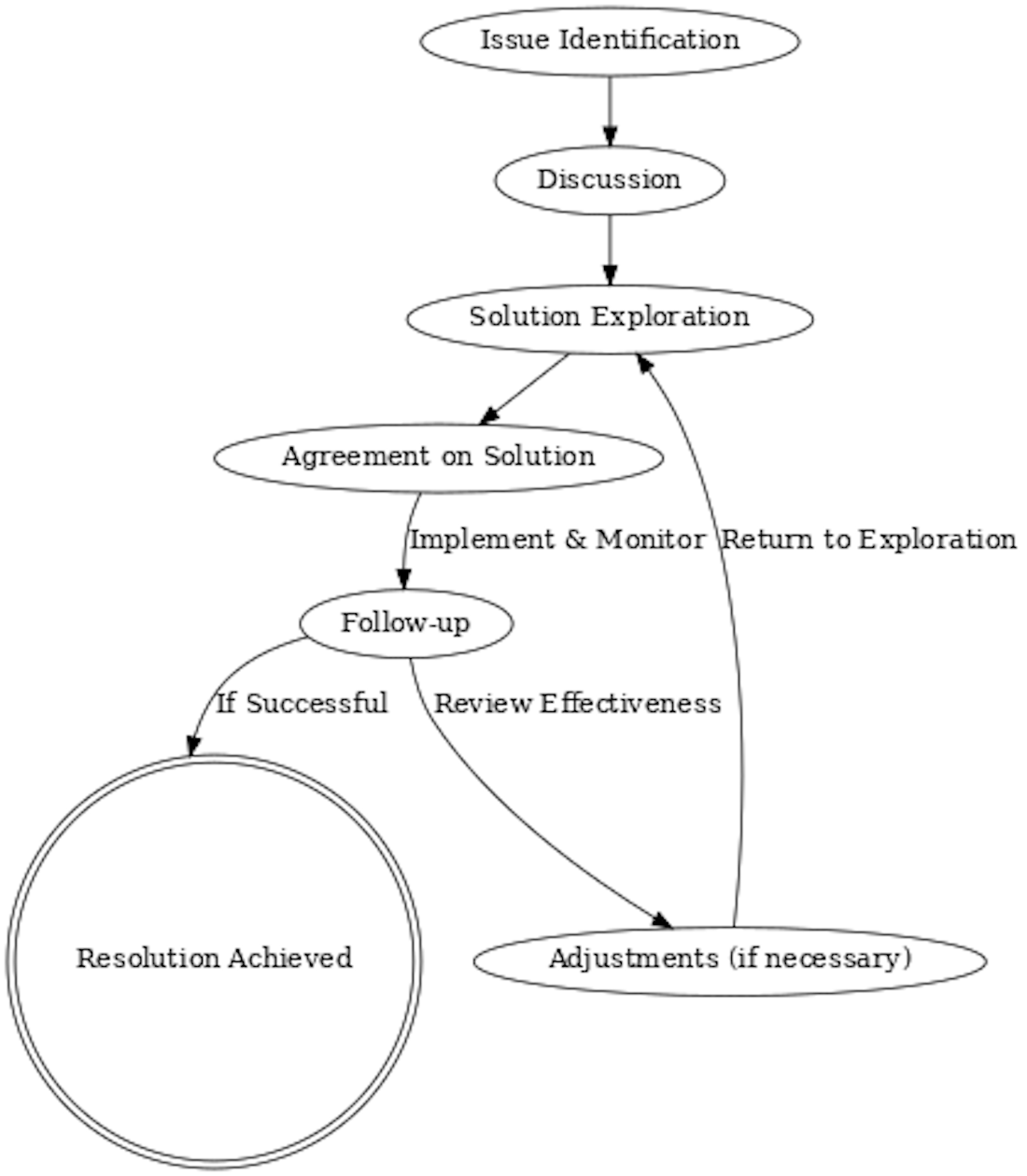
Use the conflict-resolution process diagram to connect crisis work with structured handling of urgent workplace disagreements. section 14.1.3
