What happens every time you click, tap, search, or interact online? You create data. The internet and World Wide Web now support much of everyday interaction, making data creation faster, larger, and more widely distributed than ever. section 3.1
This activity forms a global data ecosystem shaped by corporations, governments, and individuals pursuing their own interests. Participation commonly requires accepting agreements, often without understanding how data will be used or shared. section 1.1.3
Data creation and use connects everyday actions with larger processes:
- Clicks and taps generate data as part of ordinary online interaction. section 3.1
- Companies, governments, and individuals collectively shape the data ecosystem. section 1.1.3
- Data moves through creation, cleaning, simple reporting, and later analytics. section 7.3.1
- Agreements can determine intended uses and sharing with companies and governments across countries. section 1.1.3
An ordinary online moment
A person searches for information, clicks a result, taps within an application, and accepts its agreement. These actions create data while also permitting decisions about its use and sharing. section 3.1 section 1.1.3
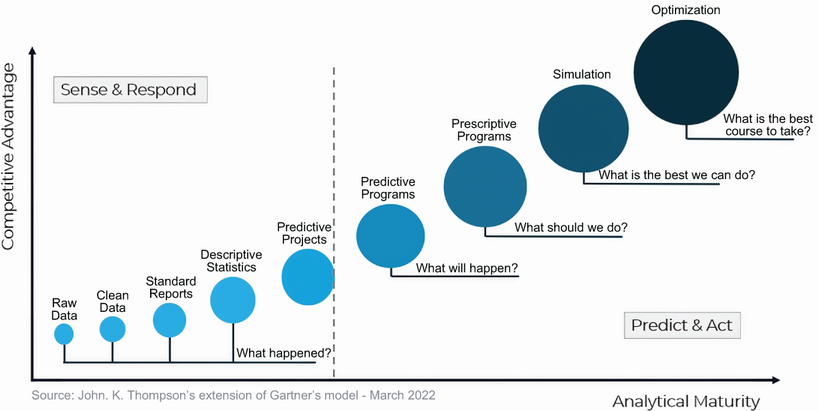
Use the analytical maturity model to place data creation, cleaning, reporting, and analytics along a continuum. section 7.3.1
Awareness turns passive participation into an informed choice: understand what agreements permit, consider who receives the data, and recognize how personal actions contribute to wider consequences. section 1.1.3
