liveBook · Manning

Data scientist

As explained in Machine Learning System Design

A professional role involving analysis of data, development of data-driven models or insights, and communication of findings to support decisions.

A data scientist is a broad, often vague role spanning analysis, machine learning, experimentation, visualization, infrastructure, and stakeholder communication. Responsibilities vary sharply across organizations. section 1.1

Typical responsibilities may include:

  • Create pivot tables, write SQL, visualize data, and answer questions from management. section 1.1
  • Run A/B tests, build recommender systems, deploy chatbots, or develop real-time computer vision systems. section 1.1
  • Set up large distributed clusters and handle communication with stakeholders. section 1.1
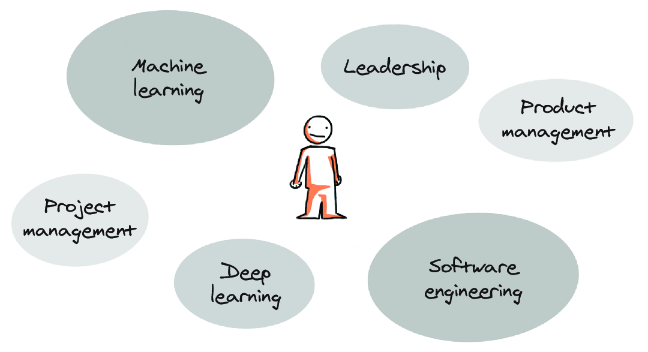
Figure 1.1 The variety of skills one should possess to succeed in ML system design
figure

Use the figure to survey the range of skills associated with ML system design. section 1.1

How Machine Learning System Design covers it

How deep it goes
Defines the role through contrasting responsibilities and examples, but stops short of organizing a complete responsibility framework.
Examples
Uses pivot tables, SQL, dashboards, A/B tests, recommender systems, chatbots, computer vision, clusters, and management questions.
How it connects
Connects data science with software engineering, data engineering, ML engineering, research engineering, experimentation, and stakeholder communication.

Also explained in

Compare how 4 books explain data scientist →

Related concepts

This explainer was generated by Manning's knowledge graph from the text of Machine Learning System Design. The section links point to the parts of the book it draws on.


