Emotional intelligence is the ability to recognize, understand, and manage your own emotions while perceiving and empathizing with other people’s. For a lead developer, it helps turn pressure, disagreement, and feedback into conversations the team can work through. It does not mean avoiding hard decisions: it means noticing how those decisions affect people and responding with care. section 11.0 section 11.1.2
Five components provide a practical starting point: self-awareness, self-regulation, motivation, empathy, and social skills. Notice what you feel and what triggers it; keep that feeling from controlling your response; consider another person’s perspective; then communicate and collaborate toward a solution. These skills develop through practice, not through an expectation that you will always respond perfectly. section 11.1 section 11.1.3
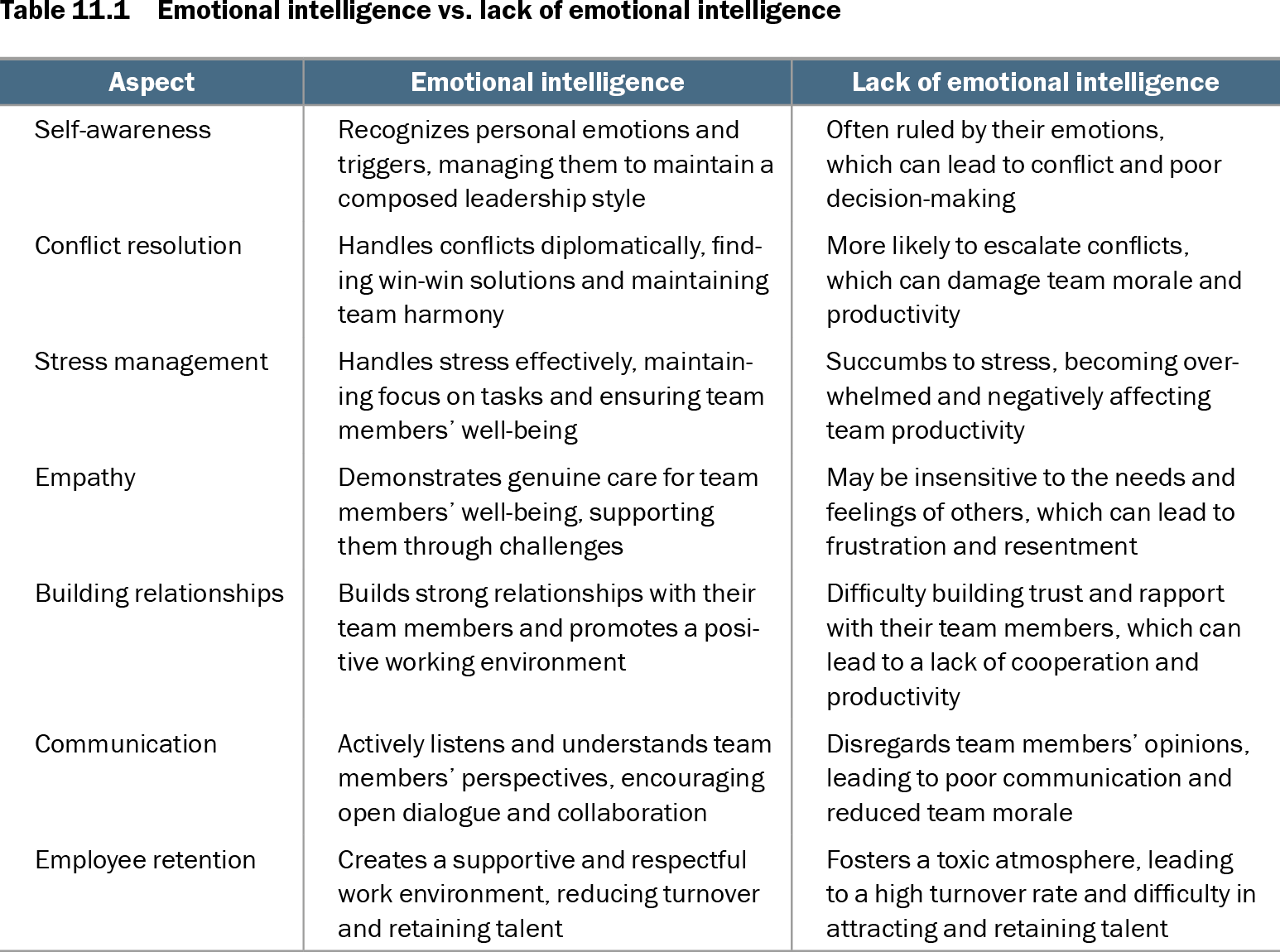
Table 11.1 Emotional intelligence vs. lack of emotional intelligence (view table figure)
| Aspect |
Emotional intelligence |
Lack of emotional intelligence |
|---|---|---|
| Self-awareness |
Recognizes personal emotions and triggers, managing them to maintain a composed leadership style |
Often ruled by their emotions, which can lead to conflict and poor decision-making |
| Conflict resolution |
Handles conflicts diplomatically, finding win-win solutions and maintaining team harmony |
More likely to escalate conflicts, which can damage team morale and productivity |
| Stress management |
Handles stress effectively, maintaining focus on tasks and ensuring team members’ well-being |
Succumbs to stress, becoming overwhelmed and negatively affecting team productivity |
| Empathy |
Demonstrates genuine care for team members’ well-being, supporting them through challenges |
May be insensitive to the needs and feelings of others, which can lead to frustration and resentment |
| Building relationships |
Builds strong relationships with their team members and promotes a positive working environment |
Difficulty building trust and rapport with their team members, which can lead to a lack of cooperation and productivity |
| Communication |
Actively listens and understands team members’ perspectives, encouraging open dialogue and collaboration |
Disregards team members’ opinions, leading to poor communication and reduced team morale |
| Employee retention |
Creates a supportive and respectful work environment, reducing turnover and retaining talent |
Fosters a toxic atmosphere, leading to a high turnover rate and difficulty in attracting and retaining talent |
Compare how self-awareness, conflict resolution, stress management, and empathy can change a lead developer’s response—and the effect on the team. section 11.1
Put the components to work in small, observable ways:
- Under deadline pressure, notice a tense voice or closed-off body language. Pause, breathe, and return to the problem calmly rather than passing your stress to the team. section 11.2
- Ask how someone feels about a conflict, not only what happened. Listen without judgment, acknowledge their concerns, and work with those involved toward a constructive resolution. section 11.1.2 section 11.2.2
- Use one-on-ones to hear concerns, recognize accomplishments, and look for signs of burnout. Offer support and flexibility without expecting anyone to disclose personal details. section 3.1.3 section 11.2.2
- Help the team practice: model your own regulation and empathy, give respectful, specific feedback, and offer role-playing or training opportunities. section 11.1.3
Balance a technical decision with team concerns
Suppose a release needs new features, but developers are frustrated by bugs in the existing codebase. Hear why they want time to fix it, explain the schedule constraint, and look for a workable compromise. One approach is to fix bugs that directly affect the features being built. The decision still respects the deadline, but the team’s frustration has informed it rather than being dismissed. section 11.1.2
Start a difficult conversation with curiosity
If a developer becomes irritable and misses deadlines, gather the relevant facts before meeting with them. Ask how they are before addressing performance; you may learn that circumstances outside work call for support. Discuss the work problem without judging or pressing for private information, agree on next steps, and follow up. Preparation and empathy can coexist with accountability. section 11.4 section 11.4.3
Begin with yourself. Reflect on your triggers and past conversations, invite honest feedback, and adjust what did not work. Emotional intelligence grows as you use that awareness to make communication safer and decisions more considerate—at work and beyond it. section 3.1.2 section 11.4.3 section 11.2.3