Evidence is information that supports a hypothesis or theory without making the conclusion irrevocable. Sound analysis remains open to future information that may contradict earlier findings. section 3.2.3
Experiments and quasi-experimental studies generate evidence by comparing participant groups, documenting subgroup trends, and sometimes examining interaction effects. More granular comparisons can reveal useful patterns but increase the risk of Type 1 errors. section 3.2.3
Use evidence responsibly by:
- Distinguishing support for a claim from proof treated as an unchangeable rule. section 3.2.3
- Choosing collection and analysis methods that allow conclusions to be revised when new information appears. section 3.2.3
- Communicating uncertainty carefully because workplace language reflects and shapes data-informed culture. section 3.2.3
Figure 3.9 Quasi-experiments have a similar design to controlled experiments without random group assignment.
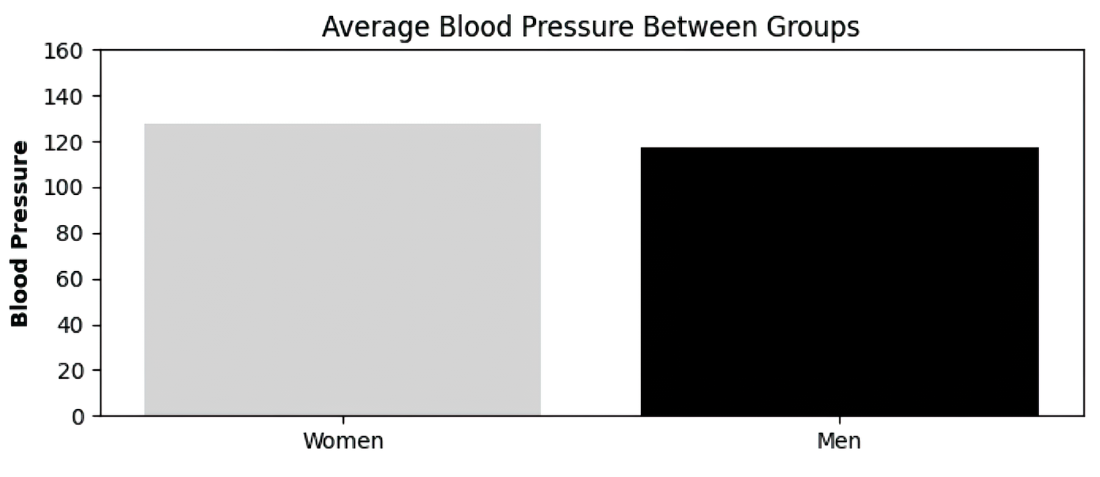
Compare quasi-experimental designs with controlled experiments to see how evidence can be gathered without random group assignment. section 3.2.3



