liveBook · Manning

HTTP

As explained in Building Web APIs with ASP.NET Core

HTTP is the stateless application-layer protocol used to transfer web resources and messages between clients and servers.

HTTP carries requests and responses between web API clients and servers. REST uses standard HTTP methods to make the intended action clear. section 1.1.4

Choose the method that matches the action:

  • GET reads data; POST creates a resource or performs a state change. section 1.1.4
  • PATCH updates a resource; PUT replaces it or creates it if absent; DELETE erases it. section 1.1.4

REST also calls for stateless communication: the server does not retain information from previous calls, so the client includes needed context, such as authentication keys, in each call. section 1.1.4
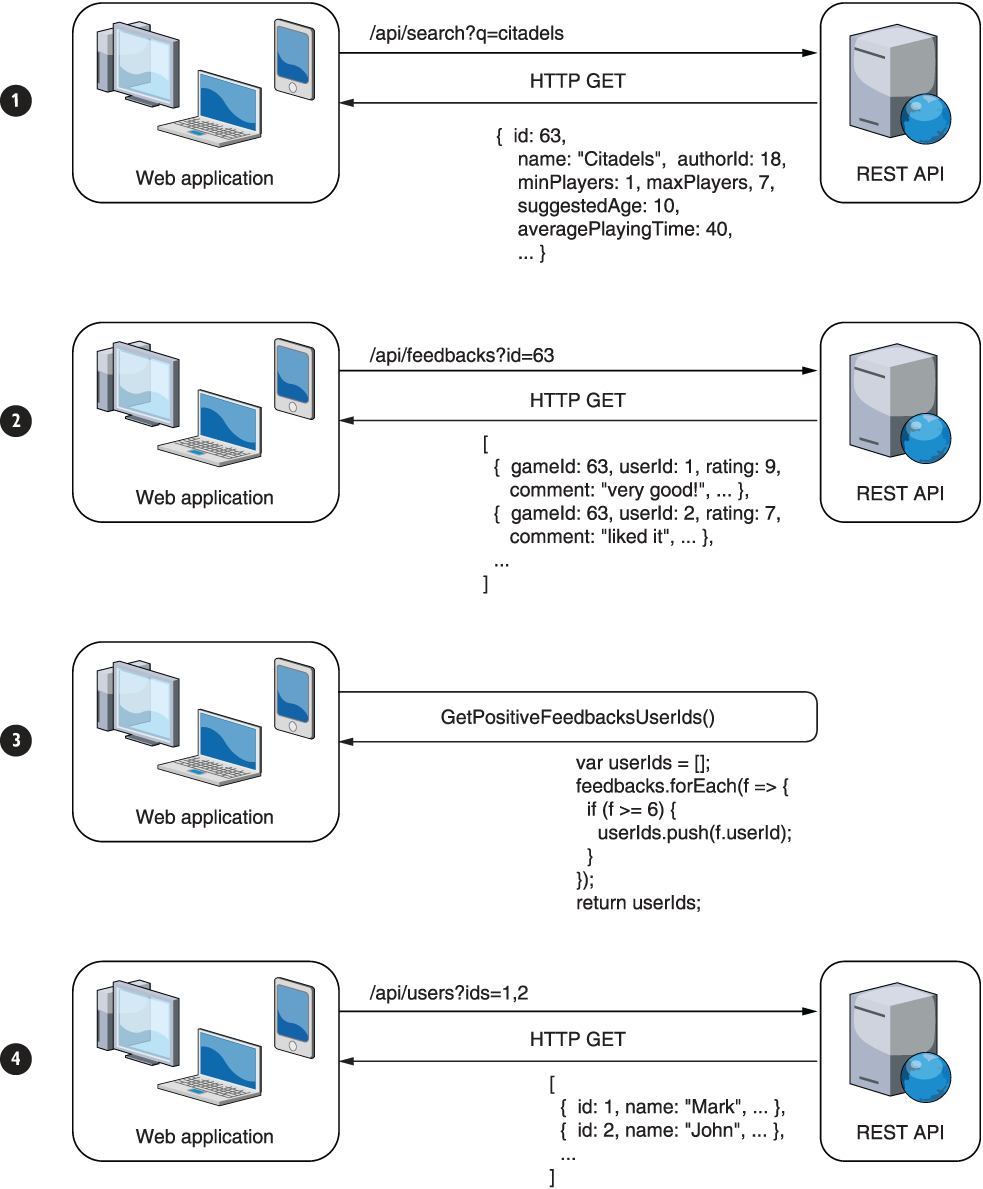
Figure 1.4 HTTP request-response cycle in REST
01-04

See the HTTP request-response cycle for a REST API. section 1.1.4

How Building Web APIs with ASP.NET Core covers it

How deep it goes
Defines the purposes of five request methods and describes REST statelessness without detailing HTTP message formats.
Examples
Uses GET, POST, PATCH, PUT, and DELETE actions alongside a REST request-response diagram.
What you can do after
Evaluate/understand which HTTP method matches a REST resource action and why each stateless call needs its own context.
How it connects
Connects REST, client-server separation, statelessness, and authentication context.

Also explained in

Compare how 8 books explain HTTP →

Related concepts

This explainer was generated by Manning's knowledge graph from the text of Building Web APIs with ASP.NET Core. The section links point to the parts of the book it draws on.






