An internal product serves employees or teams within its organization. Its value may appear as improved productivity or reduced operating costs, but it still requires desirable, feasible, and strategically viable outcomes. section 6.1.3
Internal products are socio-technical systems: poor UX, fragmented tools, difficult processes, and weak communication can combine to increase operational costs, processing lead times, onboarding effort, and organizational bottlenecks. section 3.1.6 section 8.2.5
Citibank payment interface
A confusing internal payment interface required three overrides, while users believed one was sufficient. The resulting error exposed how neglected UX can create severe financial and operational risk. section 8.2.2
Improve an internal product by:
- Spending regular time with real users, ideally at least fortnightly, and keeping communication pathways open. section 8.2.5
- Observing or performing users’ work to build empathy before choosing modernization priorities. section 8.2.5
- Mapping the product’s value, outcomes, domain boundaries, and relationships to other products. section 6.1.3
Figure 8.2 The user interface that Citibank employees used to pay interest to lenders (Source: United States District Court Southern District of New York, http://mng.bz/84J5)
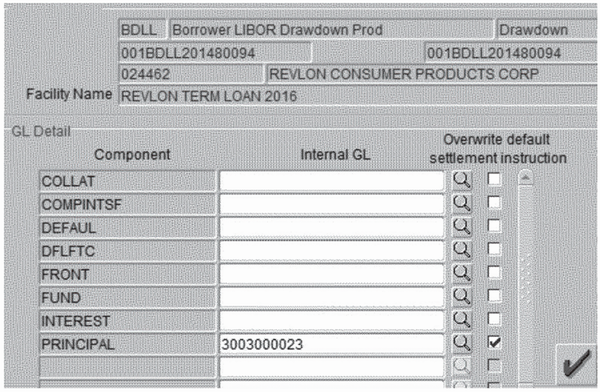
Inspect the legacy interface to identify usability hazards, hidden rules, and modernization risks in an internal workflow. section 8.2.2
