A judgmental forecast enriches an automated forecast baseline with human information that the forecasting model does not know. It belongs within demand planning rather than replacing the forecast engine entirely. section 16.0
Use judgment to address information outside the model, especially when:
- A major customer expects unusually low sales. section 16.1
- A new product lacks sufficient history for the model to forecast accurately. section 16.1
- A future price change or major market-condition shift is absent from the model’s inputs. section 16.1
- A trend or seasonality appears wrong, first investigate and improve the forecasting model rather than repeatedly editing individual forecasts. section 16.1
Track forecast value added to assign ownership and accountability and to test whether judgment improves the process. The metric monitors value, but does not by itself explain poor edits or guide their correction. section 16.0
A practical boundary
Reduce the baseline when a key customer signals lower demand or when an unmodeled price increase is planned. Do not override an established trend merely because it feels too low; let the engine handle patterns it already represents. section 16.1
Treat judgmental forecasts cautiously: cognitive biases, incentive-driven intentional biases, and biased processes can distort adjustments. Keep the forecast distinct from a financial budget, sales target, or production and supply plan. section 16.2
Figure 16.1 Example of a demand planning process

Use the demand-planning process figure to see where human enrichment fits around the forecast baseline. section 16.0
Figure 16.2 Sources of judgmental biases
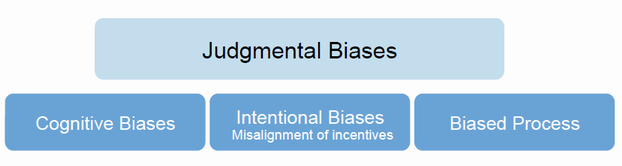
Use the bias figure to inspect cognitive, intentional, and process-related sources of judgmental distortion. section 16.2
