liveBook · Manning

Mind map

As explained in Practices of the Python Pro

A mind map is a visual information representation consisting of text-bearing nodes connected by lines to show relationships between ideas.

A mind map organizes learning around a central idea. Branches represent subtopics and related concepts, making relationships visible and revealing well-charted or unexplored areas. section 11.1.1

Use a mind map as an evolving learning plan:

  • Begin with the overall concept, then branch into broad categories and specific topics. section 11.1.1
  • Explore broadly before choosing one especially interesting branch for deeper study. section 11.1.2
  • Add topics as understanding grows, while avoiding expansion before existing topics feel comfortable. section 11.1.2
  • Record progress and notes to judge learning levels and identify ideas needing review. section 11.1.3

Learning natural language processing

Place natural language processing at the center, branch into high-level activity categories, and continue toward topics such as lemmatization and Markov chains. The map can show both familiar subjects and areas still needing investigation. section 11.1.1
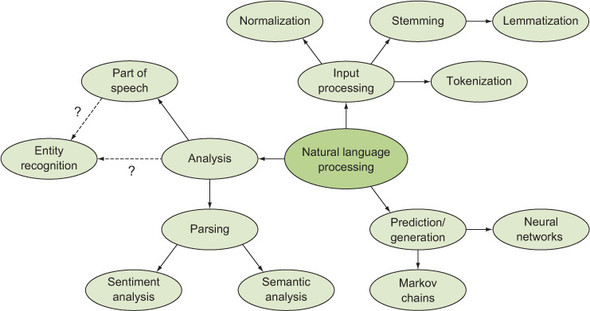
Figure 11.1. A mind map for learning about natural language processing

Browse a visual mind map for natural language processing, from broad categories to specialized topics. section 11.1.1
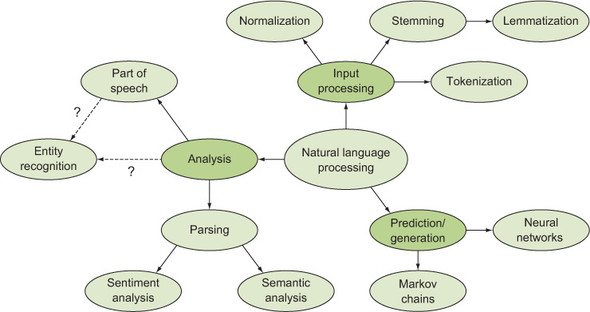
Figure 11.2. Exploring the breadth of a topic first

Compare a breadth-first path that surveys topics near the center before deeper exploration. section 11.1.2
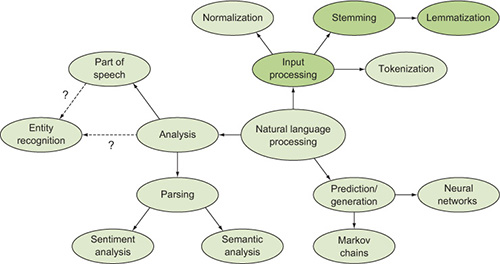
Figure 11.3. Exploring a single topic in depth

Follow a focused path that investigates one selected topic in depth. section 11.1.2
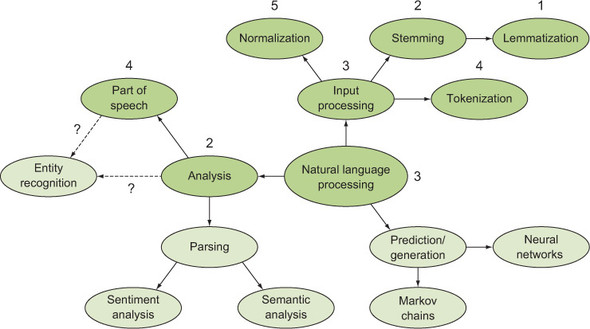
Figure 11.4. Keeping track of your learning progress for each topic

See how learning progress for individual topics can remain attached to the map. section 11.1.3

How Practices of the Python Pro covers it

How deep it goes
Defines nodes and relationships, then gives procedural guidance for breadth-first exploration, focused study, iteration, and progress tracking.
Examples
Uses Wikipedia link trails, a natural language processing map, breadth-first and depth-focused exploration, and topic-progress records.
What it assumes
Starts from basic topic listing and accommodates limited subject experience before progressively adding relationships and detail.
What you can do after
Apply it via diagramming software to plan study, choose learning paths, and monitor topics needing more work.
How it connects
Connects hierarchical structure with learning plans, nonlinear exploration, progress tracking, and natural language processing.

Also explained in

Compare how 4 books explain mind map →

Related concepts

This explainer was generated by Manning's knowledge graph from the text of Practices of the Python Pro. The section links point to the parts of the book it draws on.


