liveBook · Manning

Multi-tier application

As explained in Practices of the Python Pro

A multitier architecture organizes an application into separate layers or tiers with distinct responsibilities that can evolve independently.

A multitier architecture separates an application into layers with distinct responsibilities. Presentation handles interaction, persistence stores data, and business logic connects the two. Because each tier can evolve independently, teams can specialize and reuse layers across applications. section 6.3

A bookmarking application

Bark divides its command-line interface, actions and business rules, and database operations into separate Python modules. This structure supports adding features such as importing GitHub stars while reducing coupling between application areas. section 6.3 section 11.5.1
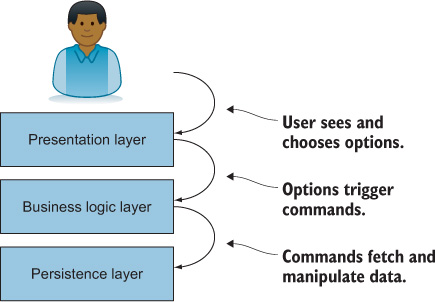
Figure 6.2. CRUD operations are the basis of many applications that manage user data.

Use the CRUD diagram to connect common user-data operations with the layers that present, process, and persist them. section 6.3


How Practices of the Python Pro covers it

How deep it goes
Explains responsibilities, module boundaries, reuse, and team specialization without detailing implementation internals.
Examples
Uses Bark’s command-line interface, database, Python modules, CRUD operations, and GitHub-star import feature.
What you can do after
Builds applications with separate presentation, business-logic, and persistence layers that support later extension.
How it connects
Connects separation of concerns with MVC, MVVM, interfaces, command pattern, and reduced coupling.

Also explained in

Compare how 7 books explain multi-tier application →

Related concepts

This explainer was generated by Manning's knowledge graph from the text of Practices of the Python Pro. The section links point to the parts of the book it draws on.




