Random group assignment allocates selected participants to experimental conditions through chance, such as treatment and control groups. It helps experiments compare outcomes while limiting deliberate allocation differences. section 3.2.3
Apply the technique as part of a broader experimental design:
- Assign participants purely randomly or use stratified assignment when relevant subgroups need representation across conditions. section 3.2.3
- Combine assignment with a controlled environment and a manipulable independent variable when testing whether one phenomenon causes another. section 3.2.3
- Keep random selection distinct: selection concerns how participants enter the study, while assignment determines their experimental group. section 3.2.3
- Recognize that quasi-experiments use a similar comparison design without random group assignment. section 3.2.3
Website button A/B test
A team randomly assigns users to versions of a website with red, blue, or green buttons, changes no other condition, and compares newsletter subscription rates. section 3.2.3
Figure 3.9 Quasi-experiments have a similar design to controlled experiments without random group assignment.
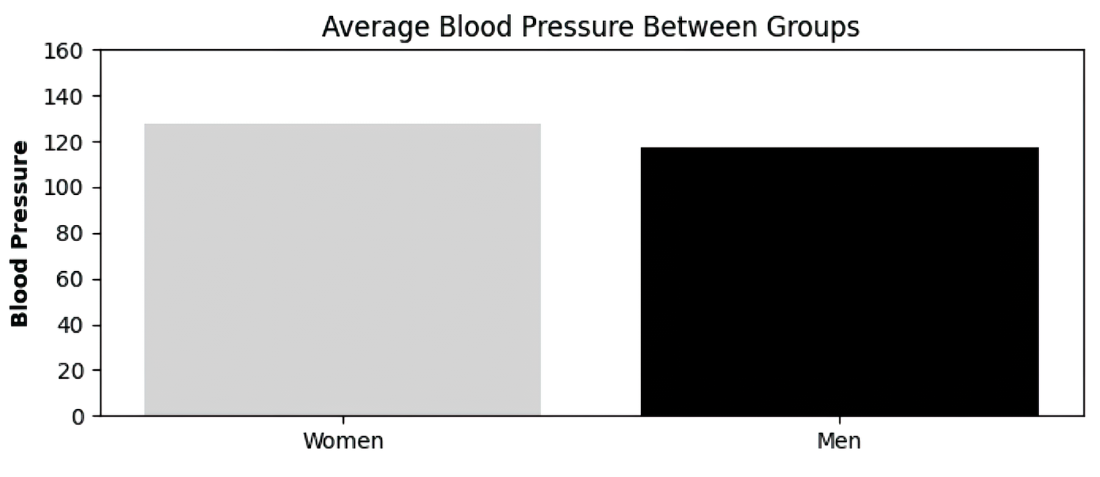
Compare controlled experiments with quasi-experiments to see how omitting random group assignment changes the design. section 3.2.3

