Self-selection bias distorts results when people choose whether to participate and that choice relates to their characteristics or outcomes. Volunteers may differ from people who opt out, so the sample no longer represents the wider population. section 2.7 section 9.4
The sleep survey trap
Suppose students volunteer for a nationwide sleep study through social media and must own a sleep-tracking watch. The sample may overrepresent heavy social-media users and people with particular sleep habits, lifestyles, or demographics. Students proud of their sleep may join, while students worried about scrutiny may stay away. section 2.7
Before collecting data, ask:
- Who is most likely to participate, and who is most likely to be missing? section 9.4
- Could the sampling time, place, platform, or eligibility requirement attract a distinctive group? section 2.7 section 9.4
- Disclose the limitation, plan mitigation, or define a population with data already available. section 9.4
A misleading favorite-airline poll
Surveying only passengers who chose one airline will probably make that airline appear to be their favorite. Surveying customers across airlines gives a fairer comparison. section 9.4
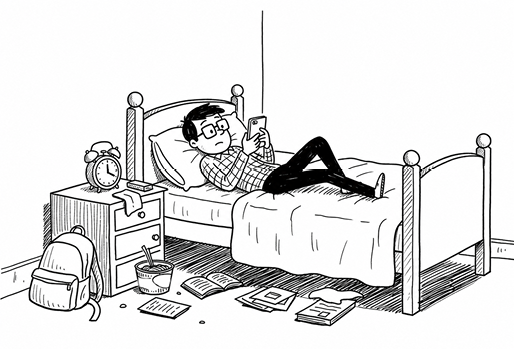
Use the figure to inspect how volunteer choices can skew a sleep-study sample. section 2.7
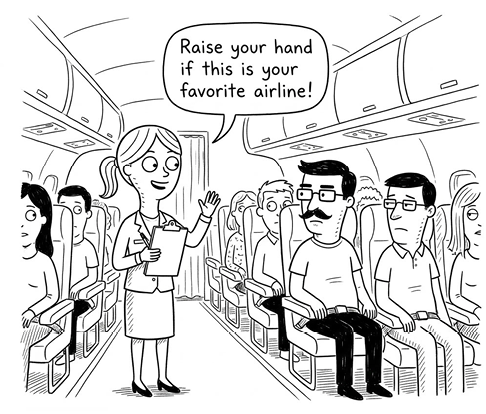
Use the figure to examine selection patterns that distort survey findings. section 9.4

