liveBook · Manning

Social media data

As explained in Investing for Programmers

Social media data is information collected from user-generated content and interactions on social media platforms.

Social media data is a form of nonfinancial data collected from user-generated content and interactions. Real-time posts can become inputs to trading algorithms because public statements may influence share prices. section 11.1

Use it with attention to relevance and limitations:

  • Treat social media signals as more relevant to consumer-oriented companies than to business-to-business companies. section 11.1
  • Compare social media evidence with financial data rather than assuming it replaces balance-sheet information. section 11.1
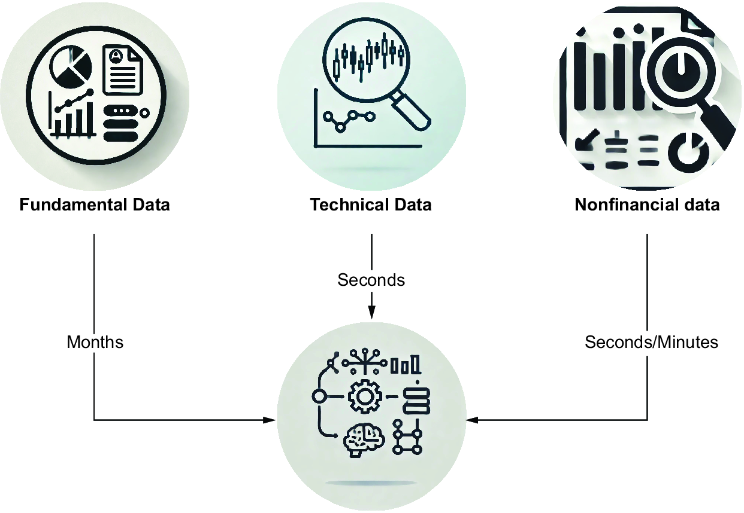
Figure 11.1 Three types of data flow can lead to insights, and nonfinancial data, being the newest of them, is especially interesting.
figure

Use the data-flow figure to place social media data within the broader movement toward nonfinancial inputs and market insight. section 11.1

How Investing for Programmers covers it

How deep it goes
Defines the category, market role, and sector relevance but stops short of collection, processing, or implementation details.
Examples
Uses real-time social media posts and politically driven market reactions as examples of potentially influential signals.
What it assumes
Assumes familiarity with investors, share prices, and trading algorithms while distinguishing financial from nonfinancial data.
What you can do after
Evaluate social media data as a sector-sensitive trading input rather than a universal substitute for financial information.
How it connects
Connects nonfinancial data with financial data, trading algorithms, share prices, consumer companies, and B2B companies.

Related concepts

This explainer was generated by Manning's knowledge graph from the text of Investing for Programmers. The section links point to the parts of the book it draws on.