liveBook · Manning

Windows Server Core image

As explained in 100 SQL Server Mistakes and How to Avoid Them

Windows Server Core is a minimal Windows Server installation option without the standard graphical user interface.

Mistake: treating the graphical Desktop Experience as the default. Windows Server Core is a PowerShell-only Windows installation without a GUI, and SQL Server 2022 supports it. section 1.2.2 section 8.11

The practical trade-off is operational: without a GUI, Server Core can be more performant and more secure. Choose it unless a specific requirement makes the GUI necessary. section 8.11

Do not confuse Server Core with supported Windows containers

A custom Windows container image based on vanilla Windows Core can host SQL Server for nonproduction use, but Windows containers are not supported for production SQL Server deployments. section 1.2.2 section 8.11

Figure 1.4 Operating systems supported by SQL Server
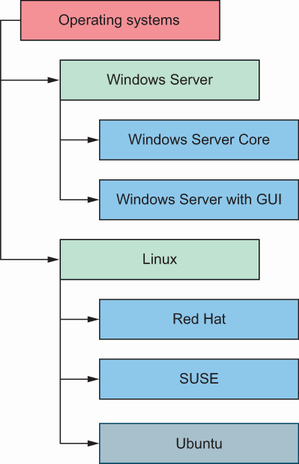
Use the supported-operating-systems figure to place Windows Server Core alongside Linux and other SQL Server 2022 platforms. section 1.2.2


How 100 SQL Server Mistakes and How to Avoid Them covers it

How deep it goes
Defines Server Core as PowerShell-only without a GUI, then weighs performance, security, and production-support implications.
Examples
Uses SQL Server 2022 support lists and a custom Windows Core container image as deployment examples.
What it assumes
Assumes familiarity with SQL Server installation choices and introduces PowerShell as the management interface replacing the GUI.
What you can do after
Evaluate SQL Server installation plans and choose Server Core unless a specific requirement requires Desktop Experience.
How it connects
Connects Server Core with SQL Server, PowerShell, Desktop Experience, Linux containers, and Windows containers.

Also explained in

Compare how 2 books explain Windows Server Core image →

Related concepts

This explainer was generated by Manning's knowledge graph from the text of 100 SQL Server Mistakes and How to Avoid Them. The section links point to the parts of the book it draws on.