CCPA
The California Consumer Privacy Act is a California privacy law establishing consumer rights and business obligations concerning personal information.
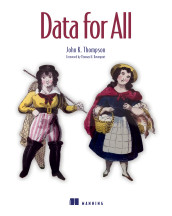
Data for All
The California Consumer Privacy Act is a California law granting consumers rights concerning the collection, use, disclosure, deletion, and sale of their personal information.
- How it is used
- Places consumer privacy protections within California’s response to data collection and use and a broader movement toward privacy legislation.
- How deep it goes
- Defines personal information and outlines access, deletion, sale opt-out, and breach-related rights without detailing request procedures.
- Examples
- Identifies email, browsing history, geolocation, and biometric information as examples of personal information.
- What you can do after
- Evaluate/understand consumer privacy choices by identifying access, deletion, and sale opt-out protections.

Effective Data Analysis
The California Consumer Privacy Act (CCPA) is a California privacy law granting consumers rights concerning businesses' collection, use, sharing, and sale of personal information.
- How it is used
- Frames CCPA as a compliance concern for analysts handling personal information and collaborating with IT, security, and legal teams.
- How deep it goes
- Defines scope, consumer rights, eligibility thresholds, and GDPR differences without detailing implementation procedures or enforcement mechanics.
- Examples
- Uses California residency, revenue, consumer-data volume, and data-sale thresholds to illustrate applicability.
- What you can do after
- Operate/configure compliance work by identifying relevant data, reviewing applicability, and coordinating with legal, security, and IT functions.
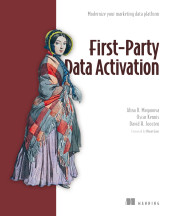
First-Party Data Activation
A California privacy law granting consumers rights concerning the collection, use, sharing, and sale of their personal information.
- How it is used
- Frames privacy-centric marketing around transparency, consumer choice, responsible collection, and trust.
- How deep it goes
- Defines consumer knowledge and sale opt-out rights, then connects them to trust and governance without detailing compliance procedures.
- Examples
- Uses knowing collected data and opting out of its sale as concrete consumer-control examples.
- What you can do after
- Evaluate whether data practices provide transparency, respect sale preferences, and support responsible customer relationships.
Also covered in
- The Art of AI Product Development
- Build AI-Enhanced Web Apps
- Starting Data Analytics with Generative AI and Python
What to know first
- personal dataPersonal data is information relating to an identified or identifiable individual, directly or indirectly, alone or in combination with other information.
Related concepts
- data privacy regulationkind of · A data privacy regulation is a legal or regulatory rule governing the collection, handling, use, retention, disclosure, transfer, or protection of personal data.
- complianceused by · Compliance is conformity with applicable legal, regulatory, contractual, policy, or other governing requirements.
- GDPRalternative to · The General Data Protection Regulation (GDPR) is a European Union regulation governing the processing and protection of personal data and establishing related rights for individuals.
- right to deletionconfigures · The right to deletion is a data-protection entitlement to have qualifying personal data erased, subject to applicable rules and exceptions.
- securityconfigures · Security is the protection of systems, information, and resources against unauthorized access, use, disclosure, alteration, disruption, or destruction.
Questions about CCPA
What is CCPA?
The California Consumer Privacy Act is a California privacy law establishing consumer rights and business obligations concerning personal information.
Which Manning books explain CCPA?
Data for All, Effective Data Analysis and First-Party Data Activation.
What should I know before learning CCPA?
Manning books that teach CCPA usually introduce personal data first.
What is the difference between CCPA and GDPR?
The California Consumer Privacy Act is a California privacy law establishing consumer rights and business obligations concerning personal information. The General Data Protection Regulation (GDPR) is a European Union regulation governing the processing and protection of personal data and establishing related rights for individuals.
What is CCPA a kind of?
CCPA is a kind of data privacy regulation. A data privacy regulation is a legal or regulatory rule governing the collection, handling, use, retention, disclosure, transfer, or protection of personal data.
What is CCPA also called?
CCPA is also called California Consumer Privacy Act.
These guides are generated from the text of Manning books by Manning's knowledge graph and link to the sections they draw on. The full books are available on liveBook and at manning.com.