liveBook · Manning

Command

As explained in Architecture Modernization: Socio-technical alignment of software, strategy, and structure

A command is an instruction requesting that a system or subsystem perform an action that may change state.

A command requests an action from a system or subsystem. In a domain message flow, its scope should reflect the requirements: one command can carry all information needed to complete an activity when the domain treats it as all-or-nothing. section 12.2.2

Completing a vehicle inspection

Complete Inspection carries the information needed to generate purchase advice. A single command fits the all-or-nothing requirement; separate commands for inspection results, images, and diagnostics are unnecessary unless requirements call for them. section 12.2.2
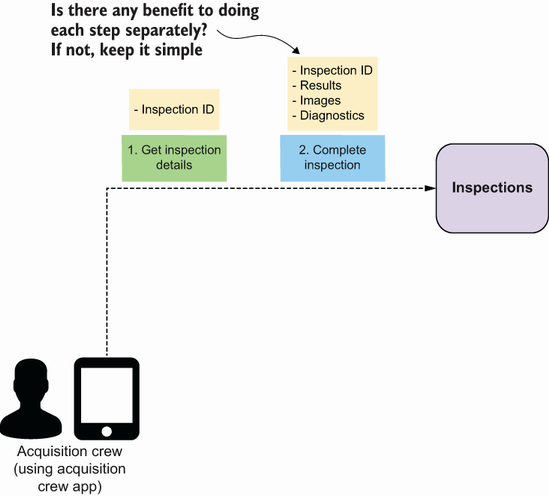
Figure 12.10 Step 2: completing the inspection

See the message-flow model showing the step that completes the inspection. section 12.2.2

How Architecture Modernization: Socio-technical alignment of software, strategy, and structure covers it

How deep it goes
Works through command scope and its requirements-based rationale, while deferring technical verification to a possible code probe.
Examples
Illustrates one Complete Inspection command carrying inspection results, images, and vehicle diagnostics.
What you can do after
Apply it via Domain Message Flow Modeling to choose command boundaries that fit the stated requirements.
How it connects
Ties commands to domain requirements, events, subsystems, and evolving domain boundaries.

Also explained in

Compare how 5 books explain command →

Related concepts

This explainer was generated by Manning's knowledge graph from the text of Architecture Modernization: Socio-technical alignment of software, strategy, and structure. The section links point to the parts of the book it draws on.



