liveBook · Manning

Dark pattern

As explained in Introduction to Generative AI, Second Edition

A deceptive design pattern is a user-interface design that manipulates users into taking actions or makes desired actions difficult to perform or avoid.

A dark pattern is a deceptive user-experience design that manipulates people by making one action difficult or giving another visual priority. A control may be buried in settings, while the preferred choice is large and prominent and the alternative is easy to overlook. In social chatbots, incessant notifications or an overly flattering personality can encourage compulsive engagement and undermine healthier human–chatbot relationships. section 9.6

Common forms include:

  • Hiding a control deep inside a settings menu. section 9.6
  • Making one choice large and visible while rendering the alternative in small or lowercase text. section 9.6
  • Using persistent notifications or sycophantic chatbot behavior to maximize engagement. section 9.6
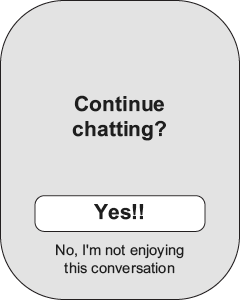
Figure 9.4 An example of a possibly deceptive design pattern intended to maximize engagement with a social chatbot
A grey square with black text

AI-generated content may be incorrect.

Use the figure to inspect how a social chatbot interface may privilege engagement over an easy, neutral choice. section 9.6


How Introduction to Generative AI, Second Edition covers it

How deep it goes
Defines manipulation and gives interface examples, stopping short of implementation details or formal classification.
Examples
Uses buried settings, oversized preferred buttons, lowercase alternatives, incessant notifications, and sycophantic chatbot personalities.
What you can do after
Evaluate chatbot features for manipulative engagement tactics and their possible effects on human–chatbot relationships.
How it connects
Connects UX design with chatbots, social media, engagement metrics, trust, privacy, and human–chatbot relationships.

Also explained in

Compare how 2 books explain dark pattern →

Related concepts

This explainer was generated by Manning's knowledge graph from the text of Introduction to Generative AI, Second Edition. The section links point to the parts of the book it draws on.