Stock
Stock is a financial security representing an ownership interest in a company, often divided into shares that may confer economic or governance rights.
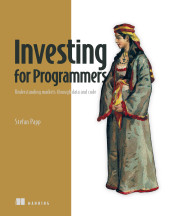
Investing for Programmers
An equity investment is an investment that acquires an ownership interest in a company or other entity.
- How it is used
- Frames company ownership as an investment and as a balance-sheet measure for evaluating public companies and start-ups.
- How deep it goes
- Defines public and private equity, explains shares, dividends, liquidity, and liabilities, but stops short of valuation mechanics.
- Examples
- Uses Apple ownership and dividends, start-up funding, the assets equation, and debt-to-equity comparisons for LiDAR companies.
- What you can do after
- Evaluate equity positions by comparing ownership, income, growth potential, liquidity, liabilities, inflation, and alternative returns.
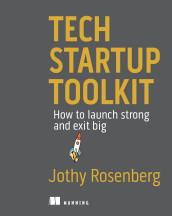
Tech Startup Toolkit
Stock is an ownership interest in a company represented by shares that may confer economic or governance rights.
- How it is used
- Explains ownership stakes, financing dilution, and employee equity decisions.
- How deep it goes
- Traces share creation through changing ownership and value, then distinguishes stock options from shares.
- Examples
- Uses an Acme share-count example and employee option terms to make percentage ownership and dilution concrete.
- What you can do after
- Evaluate how financing changes ownership percentage and interpret the equity terms in an employee offer.
Related concepts
- bondcontrasts with · A bond is a debt security through which an issuer borrows principal and typically promises repayment with interest.
- exchange-traded fundcontrasts with · An exchange-traded fund is a pooled investment fund whose shares trade on a stock exchange and typically track an index, asset class, or investment strategy.
- dilutionproduces · Dilution is the reduction in an existing shareholder's ownership proportion or claim per share caused by issuing additional shares.
These guides are generated from the text of Manning books by Manning's knowledge graph and link to the sections they draw on. The full books are available on liveBook and at manning.com.