Mean time to resolution measures the average time needed to resolve a reported service problem or customer issue. In production operations, the closely related MTTR usually means mean time to recovery: the average time to restore a system after failure. Lower recovery time indicates greater system stability, while customer-facing resolution time can be defined through an SLA. section 12.2.6 section 12.2.5
Use the metric as part of a broader improvement picture:
- Track production failures, failed-deployment recovery, or customer problems to reveal where response and recovery work needs attention. section 1.2.2 section 12.2.6
- Pair it with mean time to acknowledge, which shows how long it takes for work to begin after an alert. section 12.2.6
- Use run books, ownership details, monitoring alerts, and incident documentation to support faster debugging and problem resolution. section 12.2.5
- Review trends over a sufficiently long observation period, and prioritize value and quality rather than comparing individuals or teams by one metric. section 1.2.2
Production incident
A service fails during production. The team’s mean time to recovery records how long recovery takes on average across such failures. An SLA may separately specify how quickly a customer problem must be resolved or answered. section 12.2.6 section 12.2.5
Figure 12.1 Monitoring and dashboarding help provide visibility into the health of systems.
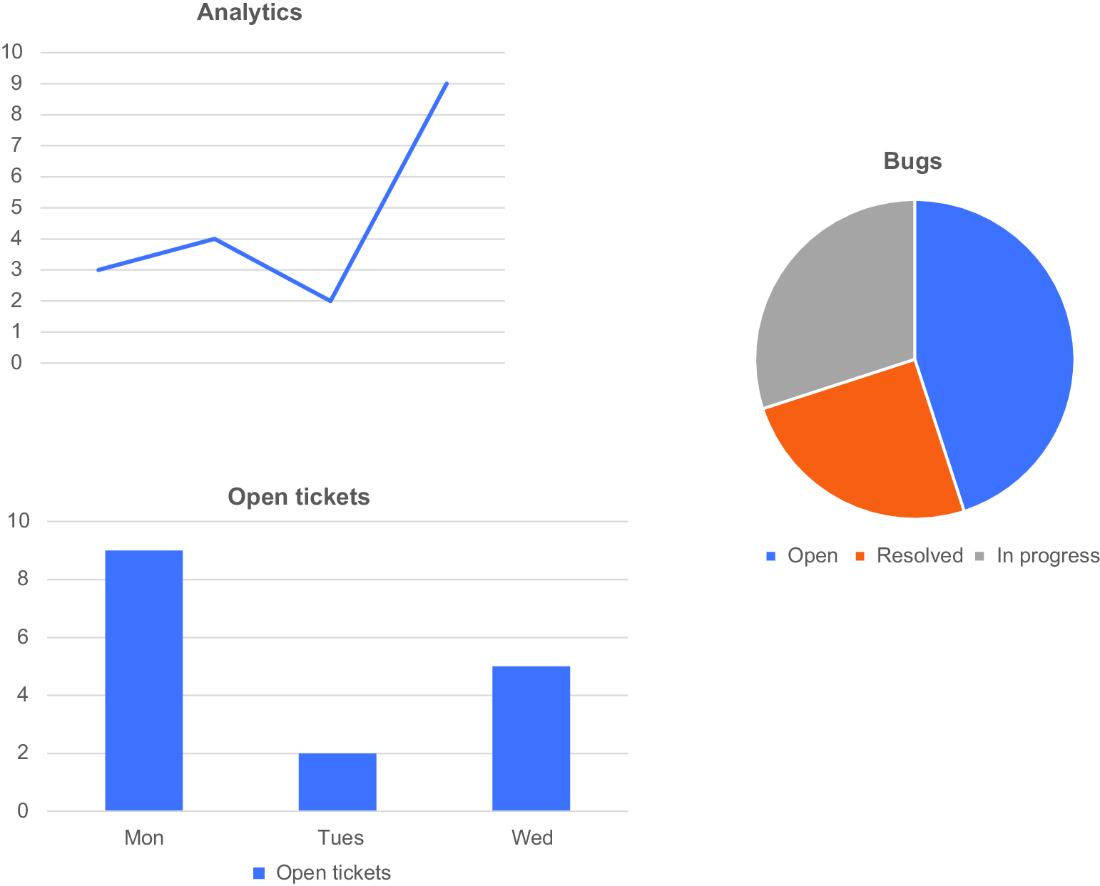
Use the monitoring and dashboarding figure to connect resolution metrics with visibility into system health and operational decision-making. section 12.2.5




