liveBook · Manning

Purpose

As explained in Architecture Modernization: Socio-technical alignment of software, strategy, and structure

Purpose is an organization’s motivating reason for existence and its ultimate ambitions.

Purpose states an organization’s motivating reason for existence and ultimate ambition. It begins the Strategy Cycle, orienting later work around landscape, climate, doctrine, and leadership. section 5.1 section 5.6

Purpose works as a socio-technical alignment mechanism: a clear customer and business goal can focus teams, support sustainable practices, and guide technical and domain decisions. section 9.1

Use purpose to:

  • Start an iterative strategy cycle before mapping the relevant landscape. section 5.1
  • Test organizational alignment by comparing how stakeholders describe the organization’s reason for existence. section 5.1
  • Connect cohesive domain boundaries with a long-term customer and business objective. section 9.1

Customer value in a loyalty domain

A travel company groups loyalty accounts, loyalty points, and rewards in one cohesive domain. Its purpose—rewarding customer loyalty and increasing lifetime value—aligns the team with domain experts and encourages evolvable code. section 9.1
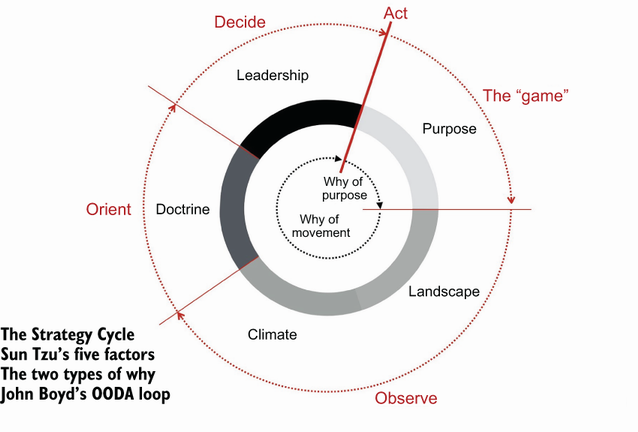
Figure 5.1 The Strategy Cycle (Source: Simon Wardley)

Use the Strategy Cycle visual to place purpose at the start of an iterative strategy process and relate it to landscape, climate, doctrine, and leadership. section 5.1


How Architecture Modernization: Socio-technical alignment of software, strategy, and structure covers it

How deep it goes
Defines purpose, gives organizational examples, compares stakeholder interpretations, and stops short of prescribing a fixed mission-writing method.
Examples
Uses healthcare, investment, carbon reduction, stakeholder listening tours, and a travel loyalty domain to make purpose concrete.
What it assumes
Assumes an organization or domain with stakeholders and goals, while introducing the Strategy Cycle and purpose-definition activity from the start.
What you can do after
Apply purpose through a listening tour or Wardley Mapping canvas to align stakeholders and begin strategic analysis.
How it connects
Connects purpose with strategy, Wardley Mapping, domain boundaries, cohesion, landscape, climate, doctrine, and leadership.

Also explained in

Compare how 2 books explain purpose →

Related concepts

This explainer was generated by Manning's knowledge graph from the text of Architecture Modernization: Socio-technical alignment of software, strategy, and structure. The section links point to the parts of the book it draws on.